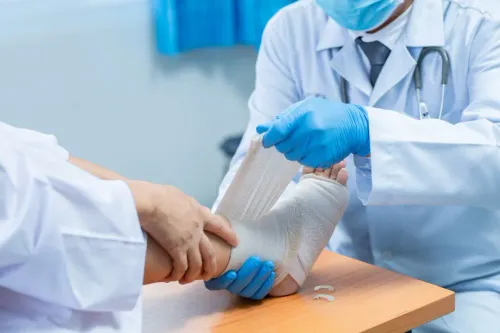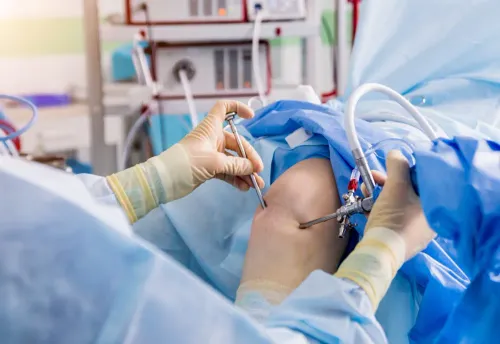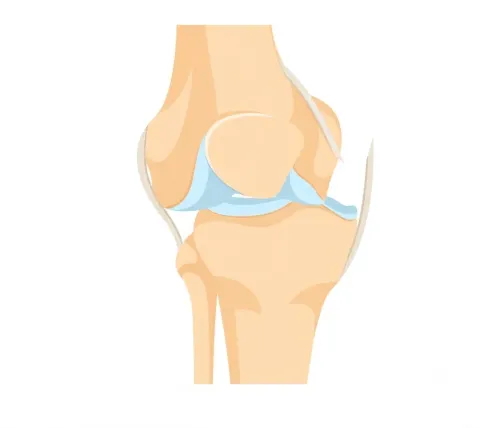



A shoulder dislocation happens when the upper arm bone moves out of its normal position in the shoulder socket. For some people, the first episode heals well with appropriate reduction, rest, rehabilitation, and strengthening. For others, the shoulder continues to feel unstable or dislocates repeatedly. In such cases, surgeries for shoulder dislocation may become part of the treatment discussion.
Patients in Dadar who experience recurring shoulder instability should understand that surgery is not automatically required after every dislocation. The decision depends on the extent of structural damage, age, activity level, number of previous dislocations, and expectations from the shoulder.
Why Does a Shoulder Keep Dislocating?
The shoulder has a wide range of movement, but this mobility also makes it vulnerable to instability. During a traumatic dislocation, structures responsible for keeping the joint stable can become stretched or torn.
Common problems associated with recurrent instability include:
- Damage to the labrum around the shoulder socket
- Stretched or injured joint capsule
- Ligament damage
- Bone loss from the socket
- Damage to the upper arm bone
- Reduced muscular control around the shoulder
Athletes and people involved in overhead activities or physically demanding work may notice instability more frequently because their shoulders are repeatedly placed under stress.
When Is Surgery Considered?
An orthopedic evaluation usually begins with understanding how the first dislocation occurred and whether additional episodes have followed. Clinical examination and imaging may then help identify structural damage.
Surgical treatment may be considered when:
- The shoulder has dislocated multiple times
- Instability continues despite rehabilitation
- The patient regularly feels that the shoulder may slip out
- Labral or ligament injuries are present
- Significant bone loss contributes to instability
- Sports or occupational activities require dependable shoulder stability
Young, physically active patients with traumatic recurrent dislocations may have different treatment requirements from older adults with a single episode.
What Types of Procedures Can Be Used?
The appropriate procedure depends on the underlying cause of instability.
Arthroscopic stabilization may be suitable when damaged soft tissues such as the labrum require repair. Small incisions are used to access the joint with an arthroscope and specialized instruments.
Bankart repair is commonly associated with recurrent anterior instability when the labrum has detached from the front of the socket.
When substantial bone loss contributes to repeated instability, a surgeon may consider a bone-restoring procedure rather than relying only on soft-tissue repair.
The important point is that surgeries for shoulder dislocation are not identical for every patient. Treatment should address the specific structure responsible for instability.
What Happens Before a Surgical Decision?
A detailed assessment is essential. The orthopedic surgeon may evaluate shoulder movement, strength, instability patterns, previous injuries, sporting requirements, and occupational demands.
X-rays can provide information about the bones and joint alignment. MRI may be advised to assess soft tissues such as the labrum and associated structures. CT imaging can sometimes be useful when the amount or pattern of bone loss needs detailed evaluation.
These findings help determine whether continued conservative care remains appropriate or whether stabilization surgery deserves consideration.
Recovery Requires More Than Surgery
Rehabilitation is an important part of recovery after shoulder stabilization. Initially, the repaired structures need protection. Movement is then gradually restored under professional guidance.
Later stages generally focus on:
- Improving shoulder mobility
- Restoring muscle strength
- Developing joint control
- Rebuilding functional movement
- Preparing for work or sports activities
Returning too quickly to strenuous activity can place unnecessary stress on healing tissues. Recovery timelines therefore vary according to the procedure and individual progress.
For people experiencing recurrent shoulder instability in Dadar, an orthopedic assessment can help clarify whether rehabilitation remains appropriate or whether a surgical stabilization procedure should be evaluated.