Posterior cruciate ligament injuries are less commonly discussed than ACL injuries, but they can significantly affect knee stability in selected patients. Because treatment depends on injury severity plus associated damage, not every PCL tear requires reconstruction.
Patients researching ligament reconstruction PCL surgery in Chembur should begin with a careful evaluation of knee stability plus functional limitations.
What Is the PCL?
The posterior cruciate ligament is one of the major stabilizing ligaments inside the knee. It helps control backward movement of the shin bone relative to the thigh bone.
PCL injuries may occur through sports trauma, falls, plus force applied to the front of a bent knee.
Some injuries affect only the PCL. Others involve multiple ligaments, which can make the knee substantially more unstable.
Symptoms Can Be Less Obvious
PCL injuries do not always produce the dramatic instability commonly associated with other ligament injuries.
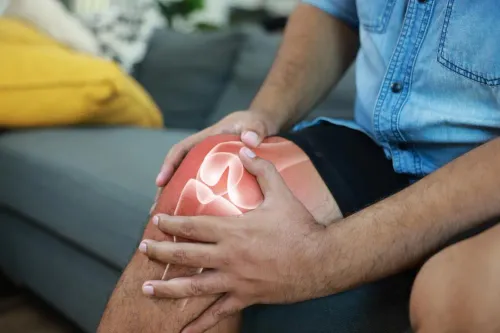
Symptoms may include
- Knee swelling
- Pain
- Difficulty with stairs
- Reduced confidence during activity
- A sense of looseness
- Difficulty during running
- Problems with demanding sports
Because symptoms can be subtle, clinical examination is important.
How Is a PCL Injury Evaluated?
Assessment typically includes injury history plus specific stability tests.
X-rays can provide information about bones plus alignment. MRI may help confirm the ligament injury while identifying damage to the meniscus, cartilage, plus other stabilizing structures.
In selected cases, additional imaging or stress assessment may be useful for understanding the degree of instability.
Can a PCL Tear Heal Without Surgery?
Some isolated PCL injuries can be managed without reconstruction.
Treatment may include bracing, physiotherapy, quadriceps strengthening, movement retraining, plus progressive return to activity.
The response to rehabilitation matters. A patient who regains stable function may not require surgery.
Reconstruction becomes more relevant when substantial instability persists, multiple ligaments are injured, functional limitations remain despite appropriate rehabilitation, plus the patient's activity requirements demand greater stability.
What Happens During Reconstruction?
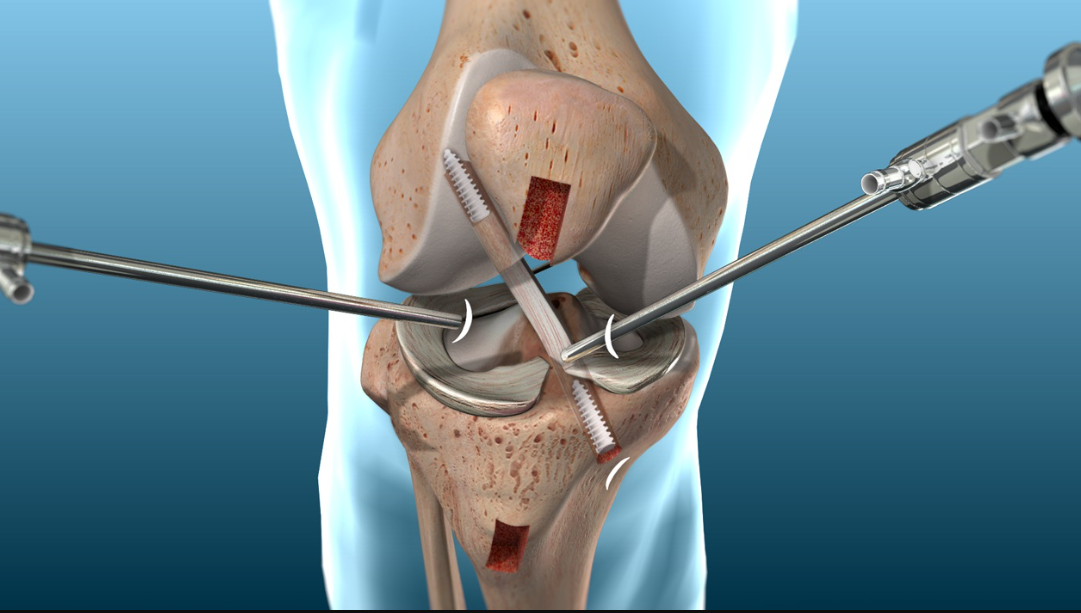
When reconstruction is indicated, a graft is used to recreate the function of the damaged ligament.
Precise graft positioning plus fixation are important because the PCL has a significant role in knee mechanics.
Associated ligament injuries may also need to be addressed depending on the overall injury pattern.
This makes comprehensive planning particularly important in complex knee trauma.
Recovery Requires Structured Progression
PCL rehabilitation requires careful protection during the early healing phase.
Exercises are selected to restore movement while avoiding unnecessary stress on the healing graft. Strengthening then progresses gradually.
Later stages can include balance, endurance, running preparation, agility, plus sport-specific training.
Patients should not accelerate the process simply because pain has improved.
What Should You Ask Before Surgery?
Before choosing reconstruction, ask
- Is the injury isolated?
- How unstable is the knee?
- Can structured rehabilitation reasonably restore function?
- Are other ligaments damaged?
- What graft is planned?
- What restrictions will apply after surgery?
- How will readiness for sports be assessed?
The answers help patients understand both the need for surgery plus the commitment required afterward.
Dr. Shreya Joshi evaluates PCL injuries based on examination findings, imaging, degree of instability, associated injuries, plus individual activity requirements. For patients considering PCL reconstruction surgery in Chembur, Maharashtra, this detailed assessment helps distinguish injuries that may respond to rehabilitation from those requiring reconstruction.
PCL treatment should be based on functional stability rather than the MRI result alone. A clear diagnosis, appropriate procedure selection, plus disciplined rehabilitation provide the foundation for restoring dependable knee function.
Keywords