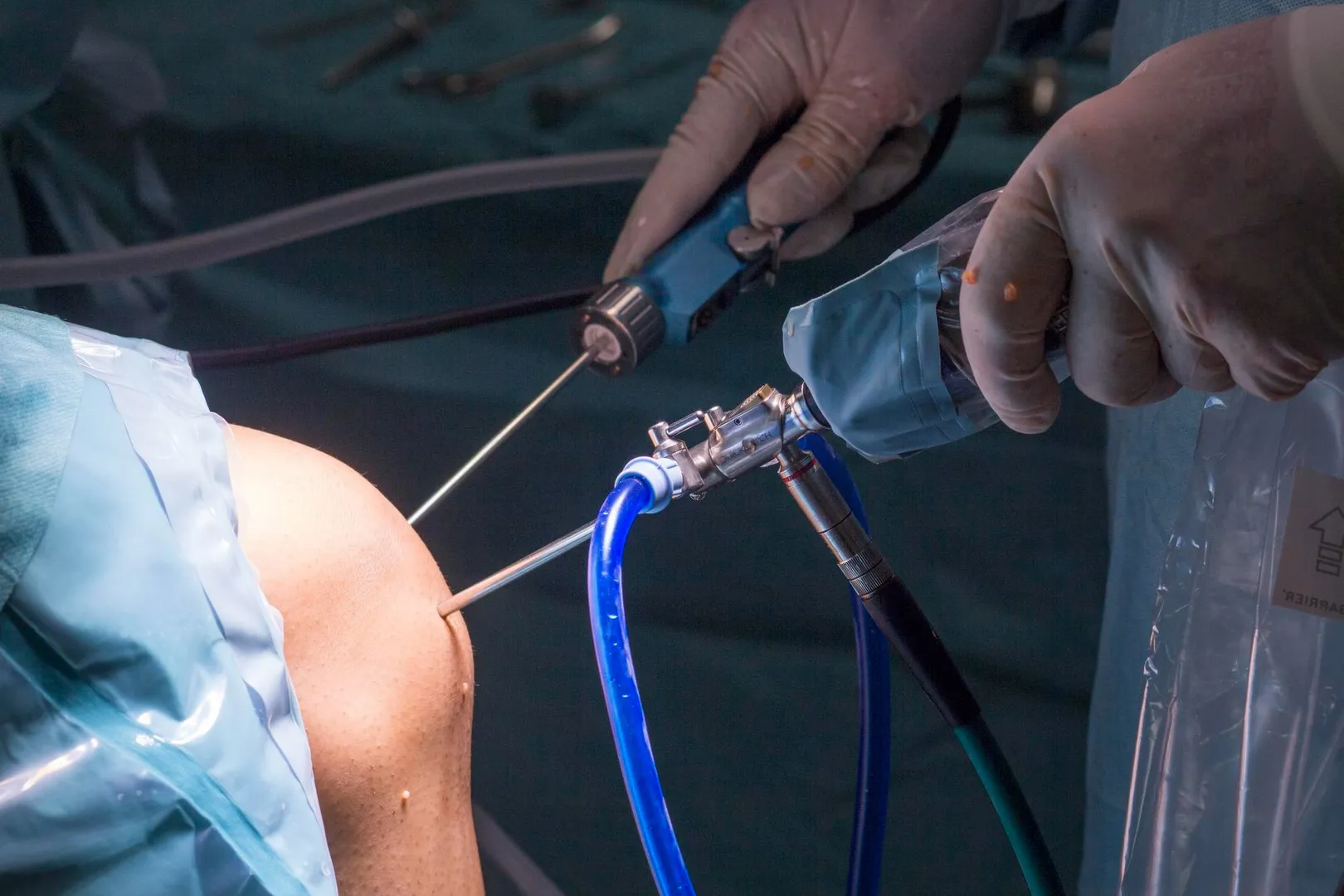
Being advised to undergo knee arthroscopy can raise practical questions. Patients often want to know what the procedure will treat, whether another option exists, how much rehabilitation is required, plus when normal activity can resume.
Before scheduling knee arthroscopy in Parel, it is useful to understand the diagnosis plus the specific purpose of surgery.
Confirm What Is Causing the Symptoms
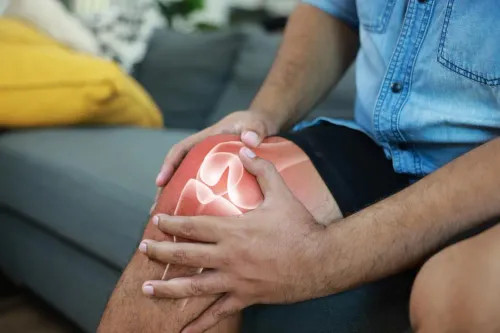
Knee pain is not a diagnosis.
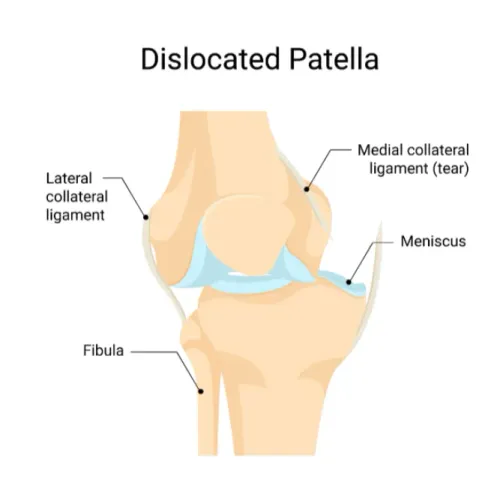
Pain can result from meniscus damage, ligament injury, cartilage problems, arthritis, kneecap disorders, inflammation, plus other causes.
The first step is therefore establishing which structure is responsible for the symptoms.
Clinical examination can assess swelling, tenderness, stability, range of motion, plus mechanical signs. X-rays plus MRI may be used when clinically appropriate.
Understand What Arthroscopy Will Accomplish
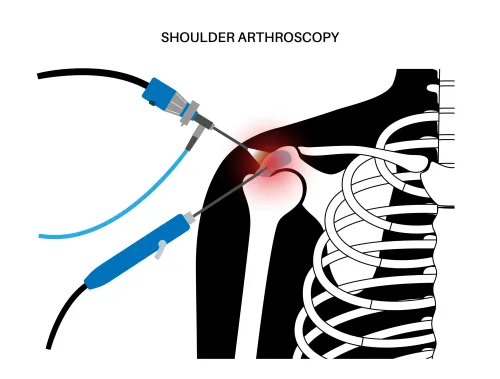
Arthroscopy allows the surgeon to view the inside of the knee through a small camera.
Depending on the diagnosis, arthroscopic techniques may be used for selected meniscus injuries, cartilage problems, ligament-related procedures, loose fragments, plus other specific conditions.
Patients should ask exactly what will be performed rather than accepting arthroscopy as the complete explanation.
For example, recovery after a simple procedure can differ significantly from recovery following meniscus repair or ligament reconstruction.
Check Whether Conservative Treatment Is Reasonable
Some knee conditions improve without surgery.
Depending on the diagnosis, a structured non-surgical program may include physiotherapy, strength training, activity modification, plus appropriate medication.
Ask whether conservative treatment has a reasonable chance of improving the problem plus what signs would indicate that surgery has become more appropriate.
Discuss Recovery Before the Procedure
Patients frequently plan surgery carefully but underestimate rehabilitation.
Before scheduling, clarify
- When weight bearing can begin
- Whether crutches will be required
- When physiotherapy starts
- How wounds should be cared for
- When desk work may resume
- When driving may be possible
- When exercise can restart
- What symptoms require medical review
Knowing these details helps patients plan family support, transport, work leave, plus rehabilitation appointments.
Set Realistic Expectations
Arthroscopy is minimally invasive, but it is still surgery.
Small skin incisions do not eliminate internal healing time. Swelling, temporary stiffness, plus muscle weakness can occur after the procedure.
The speed of recovery depends heavily on what was treated inside the knee.
Patients should also understand that arthroscopy is not a universal solution for every type of knee pain.
Review Your Medical Information
Before surgery, tell the treating team about medications, allergies, previous operations, plus relevant medical conditions.
Follow instructions concerning fasting plus medications carefully. Do not independently stop prescribed medicines unless advised by the appropriate clinician.
Choose Care Based on Clear Communication
A good surgical consultation should leave the patient understanding the diagnosis, proposed procedure, alternatives, expected rehabilitation, plus realistic goals.
Dr. Shreya Joshi evaluates knee conditions using clinical examination, appropriate imaging, functional requirements, plus previous treatment response. Patients considering knee arthroscopy in Parel, Maharashtra, can use the consultation to understand whether arthroscopy directly addresses their diagnosed problem.
Scheduling surgery should come after clarity, not before it. When patients understand why the procedure is being recommended plus what recovery requires, they are better prepared to participate actively in rehabilitation plus make informed treatment decisions.
Keywords