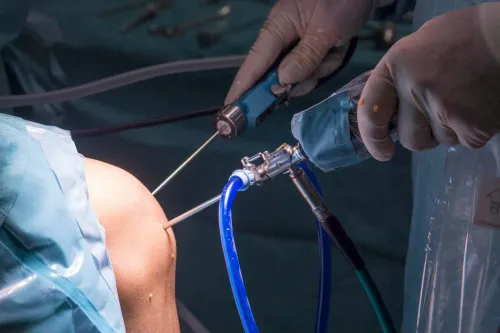
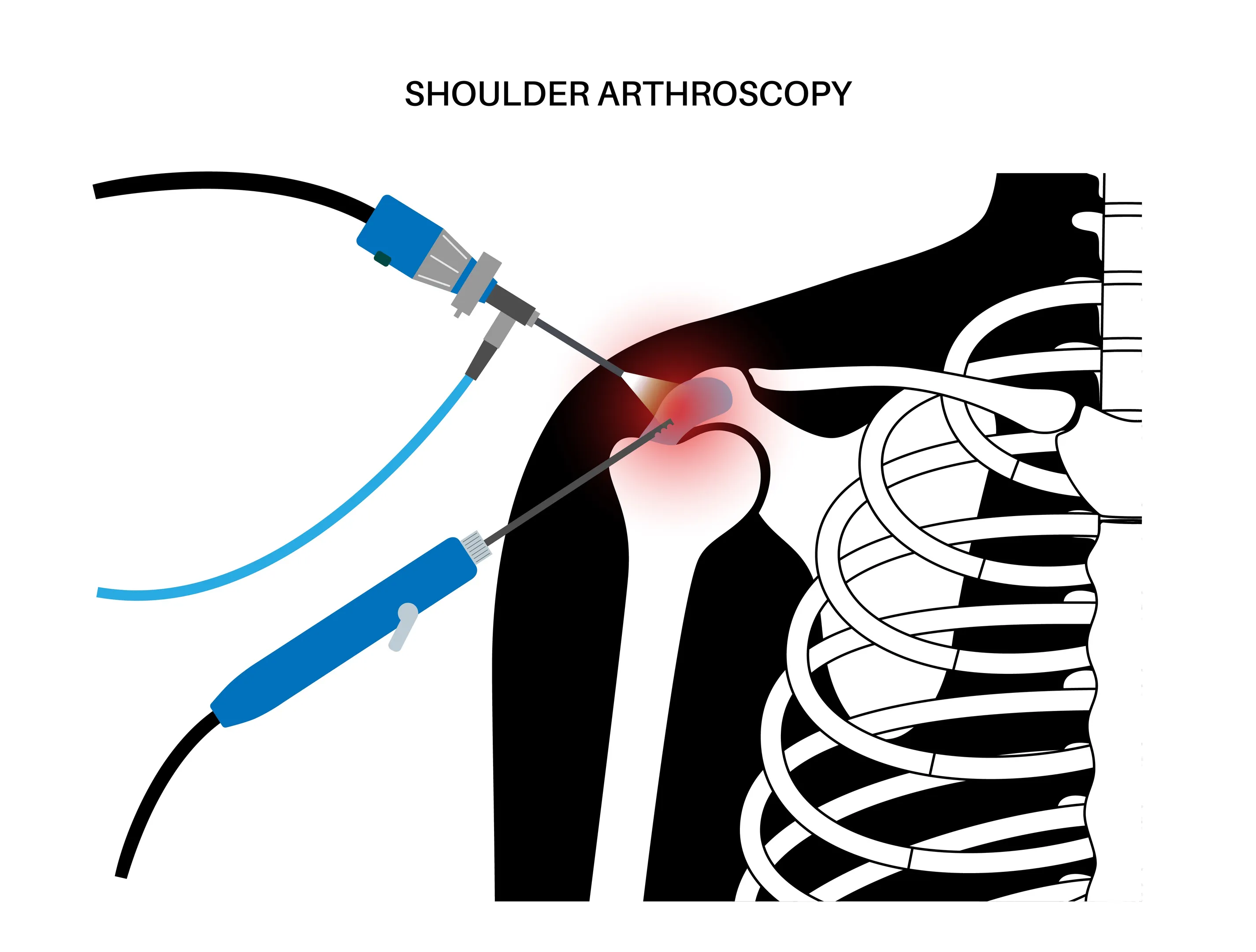
Shoulder arthroscopy can be used to treat selected structural problems through small incisions, but deciding to proceed requires more than confirming that a procedure is available. Patients need a clear diagnosis, realistic expectations, plus an understanding of rehabilitation.
If you are considering shoulder arthroscopy in Wadala, several readiness indicators can help guide the discussion with your orthopedic specialist.
Your Diagnosis Is Clearly Established
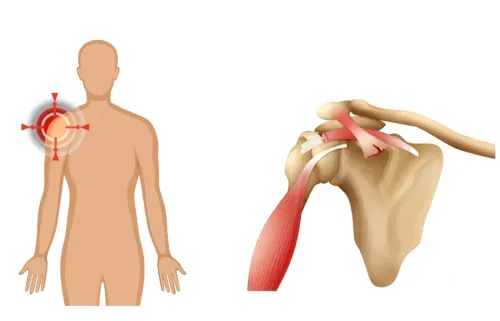
Shoulder pain can arise from the rotator cuff, labrum, tendons, joint capsule, cartilage, instability, arthritis, plus other sources.
Symptoms frequently overlap.
Before surgery, patients should be able to answer a basic question what exactly is causing the problem?
Physical examination plus appropriate imaging help establish the diagnosis. MRI may be useful for evaluating selected soft-tissue injuries, while X-rays provide information about bone plus joint changes.
Symptoms Are Affecting Meaningful Activities
Surgery is rarely considered purely because an imaging report shows an abnormality.
The clinical importance of that finding depends on symptoms plus function.
Examples of meaningful limitation include persistent night pain, inability to lift the arm effectively, recurrent instability, inability to perform occupational tasks, plus failure to return to desired physical activity.
Understanding the functional problem helps establish realistic treatment goals.
Appropriate Conservative Treatment Has Been Considered
Many shoulder conditions can improve through non-surgical care.
Depending on the diagnosis, treatment may include physiotherapy, activity modification, pain management, plus progressive strengthening.
Some injuries, particularly certain traumatic structural problems, may require earlier surgical assessment. The decision therefore depends on diagnosis rather than a fixed period of waiting.
Patients should understand why surgery is being proposed at their particular stage.
You Understand the Planned Procedure
Shoulder arthroscopy describes an approach rather than one single operation.
Arthroscopy may be used for rotator cuff repair, stabilization, labral treatment, plus selected additional procedures.
Ask your surgeon
- What structure will be treated?
- Will tissue be repaired?
- How long will protection be required?
- Will a sling be necessary?
- When will physiotherapy start?
- When can active movement begin?
- When can strengthening begin?
These details directly affect recovery.
You Can Commit to Rehabilitation
The operation may take place on one day, but recovery continues for weeks or months depending on the procedure.
A repaired tendon or stabilizing structure requires biological healing. Physiotherapy needs to progress according to that healing process.
Patients should be prepared to attend follow-up appointments, perform prescribed exercises, plus respect temporary restrictions.
Your Expectations Are Realistic
The objective of arthroscopy depends on the condition being treated. Goals may include reducing pain, improving stability, restoring function, plus repairing injured tissue.
Recovery is not identical for every patient.
Age, tissue quality, injury severity, rehabilitation participation, plus associated conditions can influence progress.
You Have Discussed Practical Preparation
Consider transport after surgery, assistance at home during early recovery, clothing that is easy to manage, plus work arrangements.
Preparing these details beforehand can reduce unnecessary stress during the first stage of recovery.
Dr. Shreya Joshi assesses shoulder problems according to diagnosis, imaging, function, previous treatment, plus patient goals. For patients exploring shoulder arthroscopy in Wadala, Maharashtra, treatment readiness means understanding not only the operation but also the recovery pathway that follows.
A patient who understands the diagnosis, treatment purpose, restrictions, plus rehabilitation expectations is better positioned to make an informed decision about arthroscopic shoulder care.
Keywords