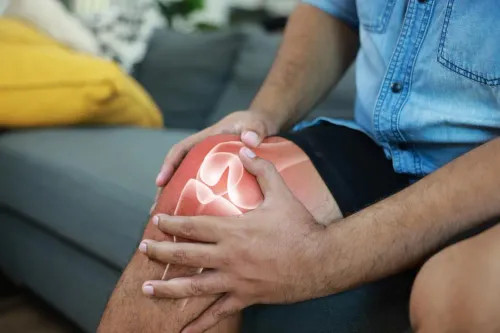
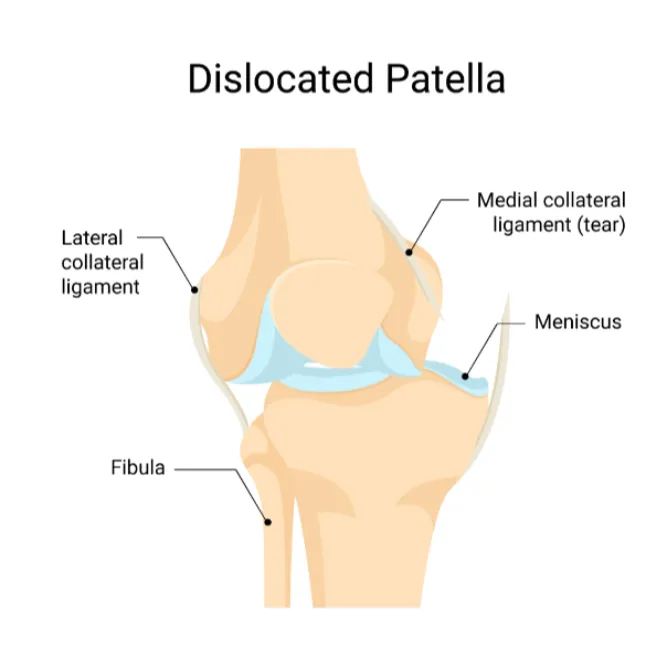
A kneecap that repeatedly slips out of position can create pain, swelling, instability, plus anxiety during ordinary movement. Patients may begin avoiding stairs, running, sports, plus sudden turns because they no longer trust the knee.
People searching for patella dislocation surgeries in Dadar should look beyond the procedure name. Successful treatment begins with identifying why the kneecap is unstable.
Understanding Patellar Instability
The patella moves through a groove at the front of the knee as the joint bends plus straightens.
Stability depends on several factors, including bone shape, limb alignment, soft-tissue restraints, plus muscle control.
A traumatic event may cause the first dislocation. Some patients also have anatomical features that make recurrent instability more likely.
This means two patients with repeated patellar dislocations may require different treatment plans.
What Should a Specialist Evaluate?
A thorough assessment should examine
- Number of dislocation episodes
- Age when instability began
- Direction of patellar movement
- Knee alignment
- Ligament injury
- Cartilage damage
- Shape of the patellar groove
- Position of the kneecap
- Muscle function
Imaging helps identify structural factors contributing to instability.
The aim is to understand the mechanism rather than treating every dislocation identically.
Is Surgery Always Necessary?
A first-time dislocation can often be managed without surgery when there is no major associated injury requiring intervention.
Initial treatment may include temporary protection followed by rehabilitation focusing on movement, muscle control, plus strength.
Surgery becomes more relevant when instability repeatedly returns, structural abnormalities create substantial risk, cartilage injury requires treatment, plus conservative management fails to restore dependable stability.
Questions to Ask Before Choosing Surgery
Patients should understand the proposed procedure clearly.
Useful questions include
- What is causing my kneecap instability?
- Is ligament damage the main problem?
- Does bone alignment contribute?
- Is cartilage injured?
- What procedure is being recommended?
- Why is this procedure appropriate for my anatomy?
- What rehabilitation will follow?
- When can I return to normal activities?
A specialist should be able to explain how the recommended treatment addresses the patient's specific instability pattern.
Look for a Diagnosis-Based Approach
Choosing specialist care should not be based only on whether a clinic offers a particular operation.
Patellar instability can involve soft tissue, bone geometry, alignment, plus cartilage. Treatment needs to reflect these findings.
A patient with recurrent instability caused primarily by ligament insufficiency may need a different approach from someone with substantial structural abnormalities.
Rehabilitation Remains Essential
Surgery may correct important mechanical contributors, but rehabilitation helps restore functional control.
Recovery commonly includes staged range-of-motion exercises, muscle activation, strengthening, balance work, plus progressive return to activity.
Patients involved in sports may require additional testing before returning to jumping, running, plus rapid direction changes.
Preparing for Consultation
Bring previous imaging, reports, plus details of earlier dislocations. Explain what activities trigger instability plus whether the kneecap has required medical reduction.
Dr. Shreya Joshi assesses patellar instability with attention to anatomy, ligament function, cartilage health, alignment, plus patient activity goals. For patients evaluating patella dislocation surgery in Dadar, Maharashtra, this individualized assessment can help determine whether surgery is appropriate plus which strategy best addresses the underlying problem.
The most important question is not simply how to put the kneecap back into position. It is why the instability keeps happening plus how stable knee function can be restored for the long term.
Keywords