An anterior cruciate ligament injury can change how secure the knee feels during movement. Some patients can walk comfortably after the initial swelling settles yet continue experiencing instability during running, turning, jumping, plus sudden changes of direction.
For people researching ligament reconstruction ACL surgery in Dadar, the central question is usually whether an ACL tear actually requires reconstruction.
What Does the ACL Do?
The anterior cruciate ligament is one of the major stabilizing structures inside the knee. It helps control forward movement plus rotational stability.
ACL injuries commonly occur during sports involving pivoting, landing, deceleration, plus rapid direction changes. They can also result from other traumatic events.
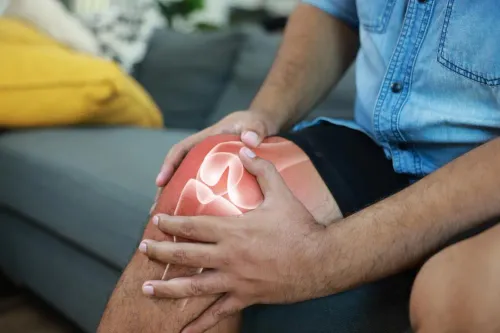
Typical symptoms may include a popping sensation at injury, rapid swelling, pain, restricted movement, plus subsequent instability.
Does Every ACL Tear Need Surgery?
No. Treatment should be individualized.
Some patients with lower activity demands may achieve useful stability through rehabilitation. Others experience repeated giving way despite strengthening plus physiotherapy.
Reconstruction becomes more relevant when the patient wants to return to pivoting sports, instability continues, occupational demands require a stable knee, plus associated injuries influence the treatment decision.
Age alone should not determine treatment. Functional requirements plus overall knee condition are important considerations.
What Should Be Checked Before Deciding?
An orthopedic evaluation assesses knee stability, range of motion, swelling, muscle function, plus associated injuries.
MRI can help confirm the ACL injury plus identify meniscus tears, cartilage damage, bone bruising, plus other ligament injuries.
This matters because treatment planning should address the complete knee rather than focusing only on the ACL.
Rehabilitation Before Surgery Can Be Important
A very swollen, stiff knee may not be ideal for immediate reconstruction in many situations.
Preoperative rehabilitation may focus on reducing swelling, restoring movement, plus improving muscle activation. Entering surgery with better knee function can support subsequent rehabilitation.
The exact timing depends on the injury pattern plus individual clinical circumstances.
What Happens After Reconstruction?
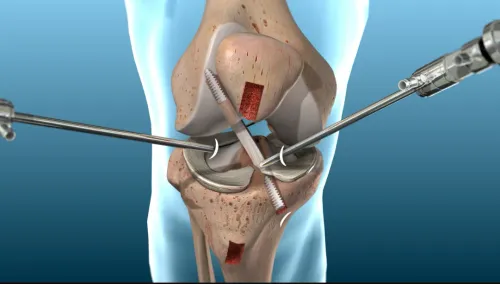
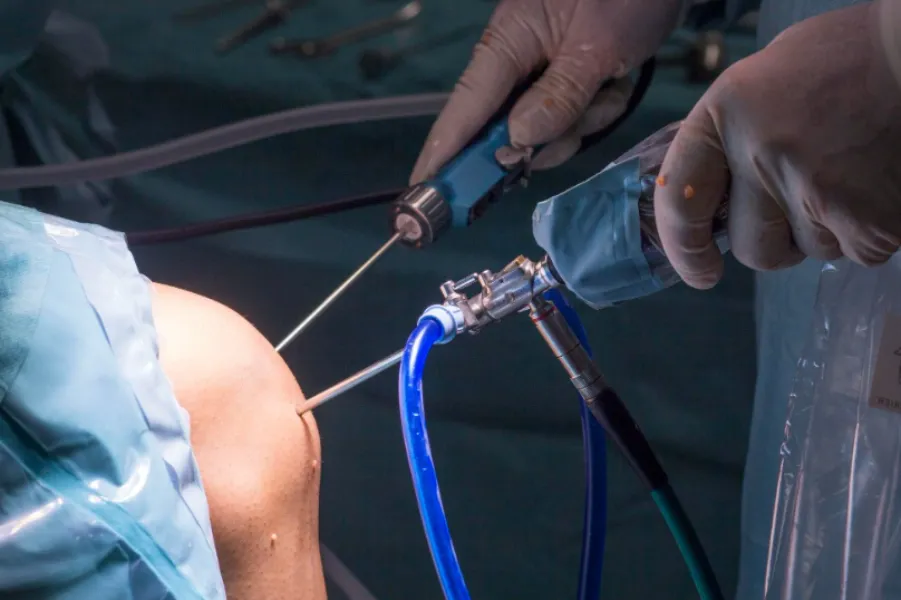
ACL reconstruction uses a graft to replace the damaged ligament. Recovery then proceeds through carefully controlled rehabilitation.
Early goals usually include swelling control, knee extension, progressive bending, plus muscle activation. Later stages introduce strengthening, balance training, running preparation, agility, plus sport-specific tasks.
Returning to sport should not be based solely on how many months have passed.
Functional testing can assess strength, movement quality, confidence, plus readiness for demanding activity.
Mistakes That Can Delay Recovery
Several mistakes can complicate ACL rehabilitation
- Returning to pivoting activity prematurely
- Ignoring persistent swelling
- Skipping rehabilitation sessions
- Focusing only on muscle size rather than control
- Comparing recovery with another athlete
- Progressing exercise despite poor movement mechanics
Recovery requires patience because biological graft healing plus neuromuscular recovery take time.
Making an Informed Decision
Patients should understand why reconstruction is being recommended plus what outcome it is intended to achieve.
Dr. Shreya Joshi evaluates ACL injuries according to knee stability, imaging findings, associated damage, activity level, plus future goals. For patients considering ACL reconstruction surgery in Dadar, Maharashtra, this assessment can help determine whether structured rehabilitation alone is reasonable or reconstruction is more appropriate.
The goal is not simply repairing an MRI finding. Effective ACL treatment aims to restore dependable knee function for the activities that matter to the individual patient.
Keywords