

Shoulder pain can sometimes settle with rest plus physiotherapy. Persistent weakness, difficulty lifting the arm, plus pain that repeatedly disturbs sleep may indicate a more significant rotator cuff problem.
Patients exploring rotator cuff repair surgeries in Wadala often need help distinguishing symptoms that may improve conservatively from injuries requiring surgical assessment.
Understanding the Rotator Cuff
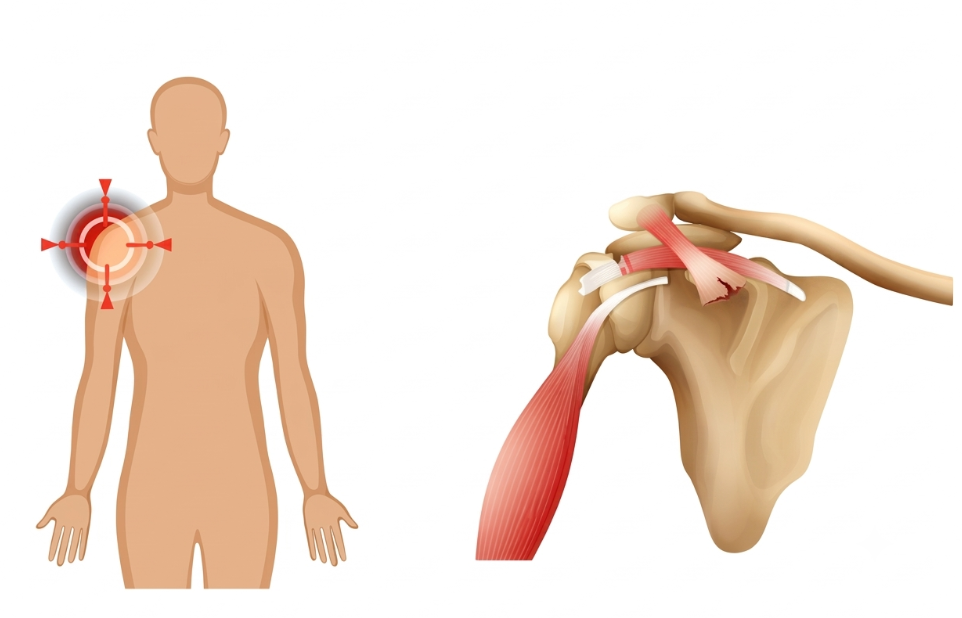
The rotator cuff consists of tendons surrounding the shoulder joint. These structures help stabilize the shoulder while allowing controlled arm movement.
Rotator cuff problems range from inflammation plus partial injury to full-thickness tendon tears.
Tears may develop gradually through degeneration or occur suddenly following trauma.
Symptoms That Can Suggest a Significant Tear
Common symptoms include
- Pain while lifting the arm
- Difficulty reaching overhead
- Night pain
- Weakness
- Difficulty reaching behind the back
- Reduced ability to lift objects
- Pain following a fall
- Sudden loss of strength after injury
Pain severity alone does not reliably indicate tear size. Some patients with substantial tears experience surprisingly modest pain but noticeable weakness.
Can Physiotherapy Be Enough?
Many rotator cuff problems can initially be treated without surgery.
Conservative management may include activity modification, pain management, physiotherapy, plus progressive strengthening.
The response to treatment should be assessed over time. Improvement in pain, strength, plus function may support continued non-surgical care.
Surgical assessment becomes more relevant when weakness remains substantial, a traumatic tear is identified, symptoms continue despite appropriate rehabilitation, plus functional demands cannot be met.
What Does Repair Involve?
Selected rotator cuff tears can be repaired arthroscopically. Small incisions allow a camera plus specialized instruments to access the shoulder.
The torn tendon is prepared, then secured back to its attachment on the bone using appropriate fixation.
The objective is to restore tendon continuity while creating conditions for biological healing.
Why Recovery Takes Time
Tendon-to-bone healing does not happen immediately.
The shoulder may need protection during early recovery. A sling is commonly used for a period determined by the repair plus surgeon's protocol.
Physiotherapy progresses in stages. Early exercises may emphasize protected movement. Active movement plus strengthening are introduced later when healing permits.
Patients should avoid using pain relief as the only indicator of readiness. The shoulder can feel significantly better before repaired tissue has regained sufficient biological strength.
Choosing the Appropriate Treatment Path
Several factors influence whether repair is recommended
- Tear size
- Tear pattern
- Tendon quality
- Muscle condition
- Patient age
- Activity requirements
- Duration of symptoms
- Previous treatment
- Presence of arthritis
A treatment plan should therefore be individualized rather than based simply on the MRI report.
Preparing for a Specialist Consultation
Bring previous scans plus treatment records when available. Explain which activities have become difficult plus what you hope to regain.
Dr. Shreya Joshi evaluates rotator cuff conditions through clinical examination, imaging review, functional assessment, plus consideration of individual goals. For patients seeking rotator cuff repair surgery in Wadala, Maharashtra, the consultation can clarify whether rehabilitation should continue or surgical repair deserves consideration.
Persistent shoulder weakness should not be ignored, particularly after trauma. Establishing the diagnosis early provides a clearer pathway toward protecting function plus returning safely to normal activity.