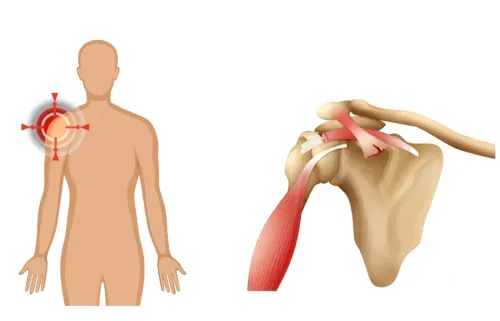
Shoulder pain can result from many different conditions, ranging from temporary muscle irritation to structural injuries involving tendons, cartilage, or the labrum. When symptoms persist and a specific problem inside the joint requires treatment, shoulder arthroscopy may be considered.
For patients in Wadala, it is helpful to understand that arthroscopy is a surgical technique rather than a diagnosis. Whether it is appropriate depends entirely on what is causing the shoulder problem.
What Is Shoulder Arthroscopy?
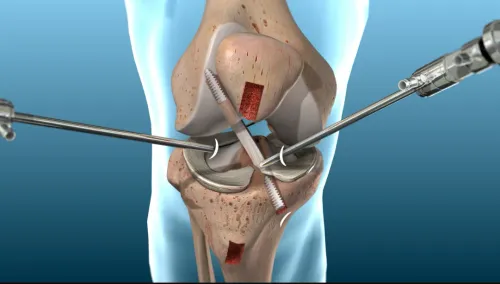
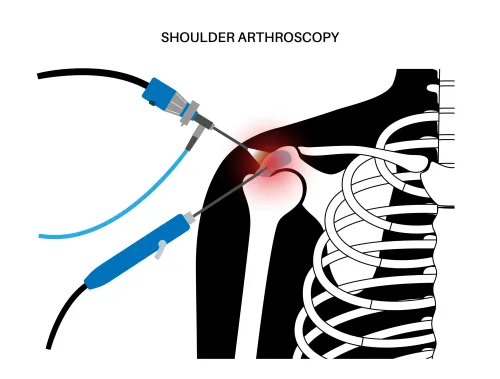
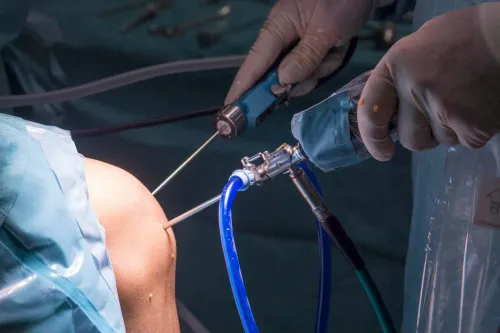
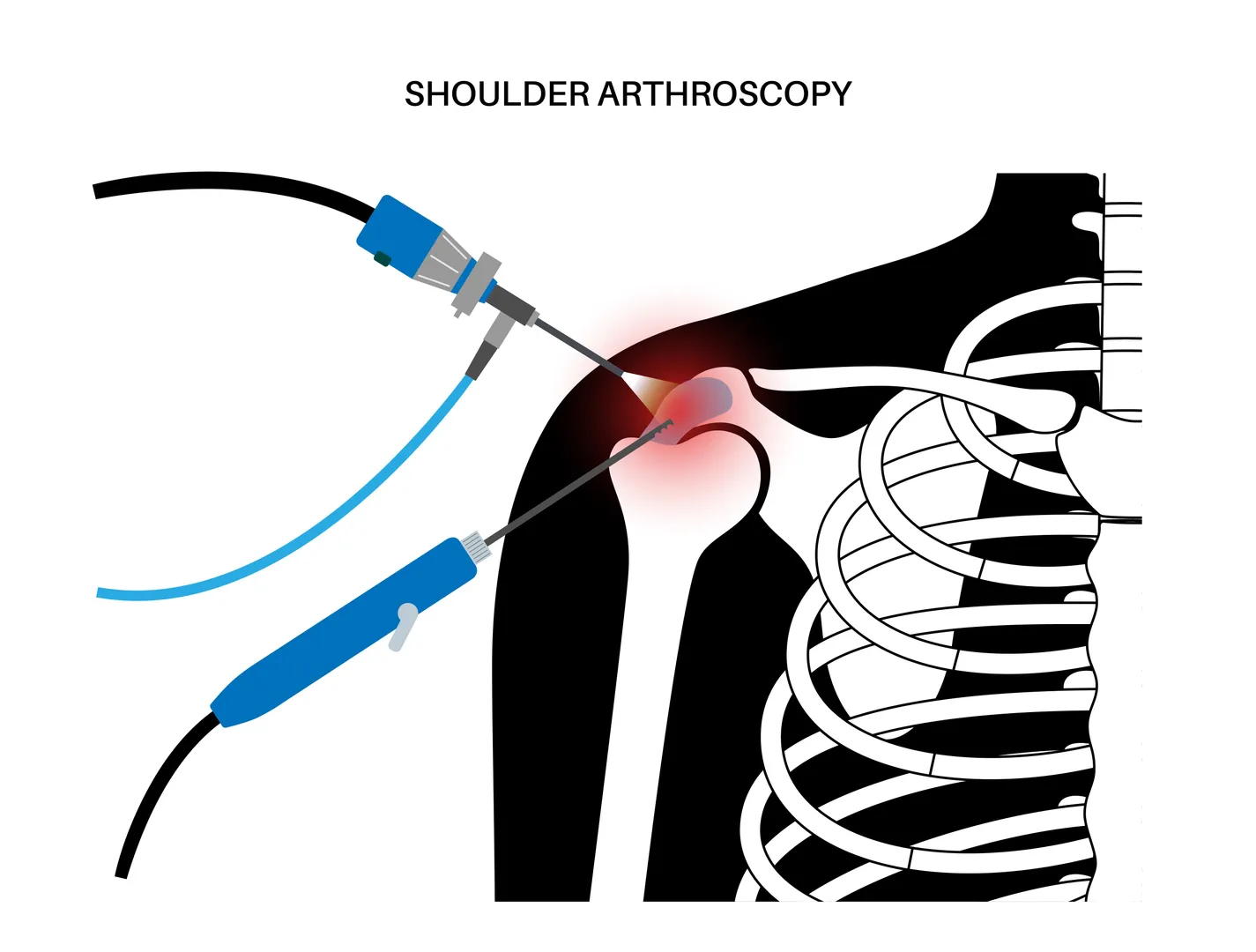
Shoulder arthroscopy is a minimally invasive procedure in which a small camera is inserted through a small incision.
The surgeon can view internal structures on a monitor and use specialized instruments through additional small openings when treatment is required.
This technique may be used for selected conditions involving the labrum, rotator cuff, joint capsule, bursa, or other structures around the shoulder.
What Problems May Be Treated Arthroscopically?
Depending on the diagnosis, shoulder arthroscopy may have a role in treating:
- Recurrent shoulder instability
- Selected labral tears
- Rotator cuff tears
- Certain impingement-related conditions
- Loose bodies
- Selected cartilage problems
- Some causes of persistent mechanical symptoms
The same procedure is not suitable for every type of shoulder pain.
Frozen shoulder, advanced arthritis, neck-related pain, and certain other conditions may require completely different treatment strategies.
Why Diagnosis Comes Before Surgery
Shoulder pain often overlaps across different conditions.
For example, pain when lifting the arm may occur with a rotator cuff injury, bursitis, stiffness, or other problems. Instability can produce pain as well as a feeling that the joint may slip out.
A proper assessment therefore combines symptoms, physical examination, and imaging when needed.
MRI may help evaluate soft tissues such as the labrum and rotator cuff, while X-rays can provide useful information about bone structure and arthritis.
When Can Conservative Treatment Be Tried First?
Many shoulder conditions improve without surgery.
Depending on the diagnosis, treatment may involve:
- Activity modification
- Physiotherapy
- Strengthening
- Mobility exercises
- Medication
- Selected injections
- Gradual return to activity
Surgery is usually considered when a structural injury causes persistent functional limitation, recurrent instability, or symptoms that do not improve sufficiently with appropriate conservative care.
How Does Arthroscopy Help With Instability?
Repeated shoulder dislocation or subluxation can occur when stabilizing structures have been damaged.
In selected patients, arthroscopy may be used to repair the labrum and tighten or restore supporting tissues.
The exact procedure depends on the pattern of instability and whether bone loss is also present.
When substantial bone loss contributes to repeated dislocation, an arthroscopic soft-tissue repair alone may not always be sufficient. Detailed imaging can therefore be important before surgery is planned.
What About Rotator Cuff Problems?
The rotator cuff consists of tendons that help stabilize and move the shoulder.
Some tears can be treated without surgery, particularly when symptoms are manageable and function is preserved.
In selected cases, arthroscopic repair may be considered when the tear causes persistent weakness, pain, functional limitation, or other clinically relevant problems.
What Is Recovery Like?
Recovery varies according to what was performed.
A patient who undergoes a repair generally needs more protection than someone who has a more limited arthroscopic procedure.
Rehabilitation may progress through:
- Protection of healing tissues
- Gradual restoration of movement
- Strengthening
- Functional retraining
- Return to work or sport
Trying to accelerate recovery beyond biological healing can place repaired structures under unnecessary stress.
For patients considering shoulder arthroscopy in Wadala, an orthopedic evaluation can determine whether the underlying problem is likely to benefit from arthroscopic treatment. Dr. Shreya Joshi assesses shoulder symptoms in relation to joint stability, tendon function, imaging findings, and individual activity requirements before recommending a treatment pathway.
Keywords