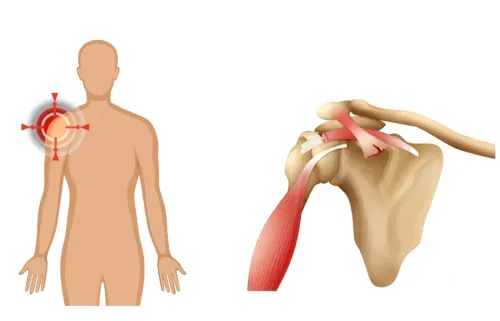
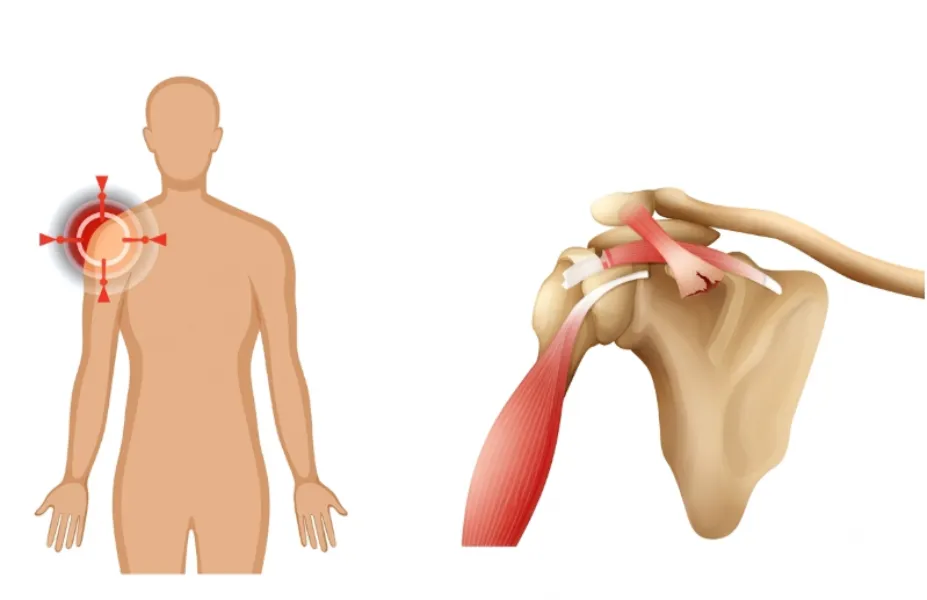
The rotator cuff is a group of muscles and tendons that help stabilize the shoulder and allow controlled arm movement. Injuries to these tendons can cause pain, weakness, difficulty lifting the arm, and problems with everyday activities.
Not every tear requires an operation. However, rotator cuff repair surgeries may be considered when symptoms, tear characteristics, functional needs, and response to conservative treatment indicate that repair could be appropriate.
For patients in Chembur, understanding when surgery becomes relevant can help separate rotator cuff tears that can be managed conservatively from those that may need operative treatment.
What Causes a Rotator Cuff Tear?
Rotator cuff tears can occur suddenly or develop gradually.
A traumatic tear may follow:
- A fall
- Sudden lifting
- Sports-related injury
- Forceful shoulder movement
Degenerative tears develop progressively as tendon quality changes over time.
Age, repetitive overhead activity, occupation, previous injury, and shoulder anatomy can influence risk.
What Symptoms Are Common?
Symptoms can include:
- Pain when raising the arm
- Night pain
- Difficulty sleeping on the affected side
- Weakness during lifting
- Difficulty reaching overhead
- Reduced shoulder movement
- Difficulty carrying objects
- Loss of strength after an injury
Some people have rotator cuff tears on imaging without significant symptoms, which is one reason treatment should not be based on MRI findings alone.
Can Rotator Cuff Tears Heal Without Surgery?
This depends on what is meant by healing.
Some tears may not completely reconnect structurally without surgery, but symptoms and function can still improve significantly with conservative treatment.
Physiotherapy may strengthen surrounding muscles, improve shoulder mechanics, restore movement, and reduce pain.
Non-surgical management can be appropriate for many patients depending on tear size, age, symptoms, activity demands, and overall shoulder function.
When Is Repair More Likely to Be Considered?
Rotator cuff repair surgeries may be discussed when:
- A traumatic tear causes substantial weakness
- Symptoms persist despite appropriate rehabilitation
- The tear significantly affects daily activity
- Shoulder function continues to deteriorate
- The patient has high physical demands
- Imaging shows a tear considered suitable for repair
- Other associated shoulder problems require surgical treatment
The timing of surgery can matter in certain traumatic injuries, so early assessment may be appropriate when significant weakness develops suddenly after an injury.
What Happens During Repair?
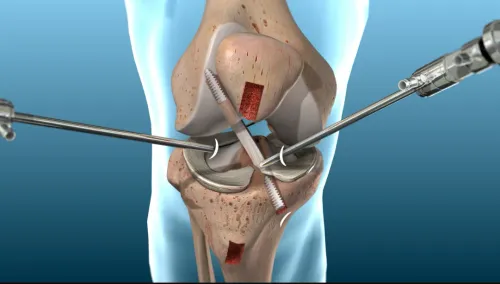
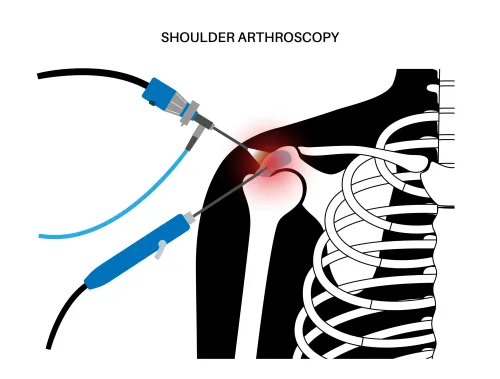
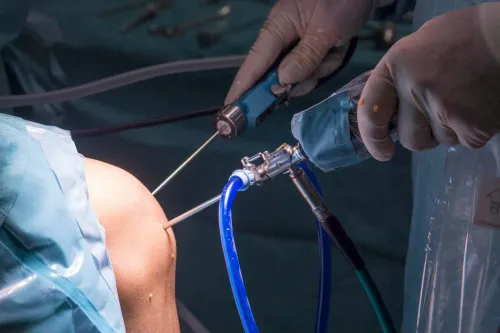
Many rotator cuff repairs can be performed arthroscopically.
The surgeon evaluates the torn tendon and surrounding structures before securing the tendon back toward its attachment area on the bone using appropriate fixation techniques.
The exact procedure depends on factors such as:
- Tear size
- Tear location
- Tendon mobility
- Tissue quality
- Number of tendons involved
- Associated shoulder conditions
Not every tear can be treated with the same repair strategy.
Why Rehabilitation Is Crucial
The tendon needs time to heal after repair.
Early rehabilitation generally protects the repair while preventing unnecessary stiffness. Movement is gradually increased according to the surgical findings and recovery plan.
Strengthening typically begins later.
A rehabilitation programme may include:
- Assisted shoulder movement
- Progressive active movement
- Rotator cuff strengthening
- Shoulder blade muscle training
- Functional exercises
- Gradual return to work or sport
Recovery can take several months, particularly when a significant tendon repair has been performed.
What Questions Should Patients Ask?
Before considering surgery, useful questions include:
- Which tendon is torn?
- Is the tear partial or complete?
- Is the tear traumatic or degenerative?
- Can physiotherapy reasonably be tried first?
- What happens if the tear is not repaired?
- What are the expected restrictions after surgery?
- How long will rehabilitation continue?
- What level of shoulder function is realistic?
These questions help establish clear expectations.
For patients exploring rotator cuff repair surgeries in Chembur, Dr. Shreya Joshi can evaluate symptoms, strength, imaging findings, tear characteristics, and individual activity requirements. The decision to repair should be based on the complete clinical picture, with the aim of improving function while using surgery only when it is appropriately indicated.
Keywords