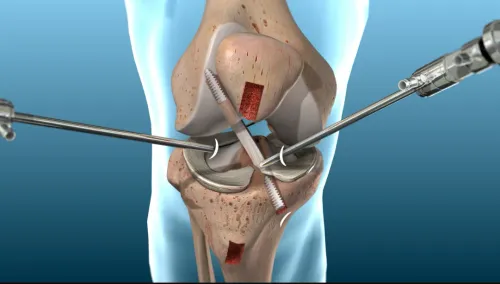
A knee that repeatedly gives way can affect far more than sports performance. Instability may make running, climbing stairs, changing direction, or even walking on uneven surfaces feel uncertain. When major stabilizing ligaments are significantly injured, ligament reconstruction ACL/PCL surgeries may be considered depending on the severity of damage, activity level, associated injuries, and response to rehabilitation.
For patients in Dadar, the key question is not simply whether an ACL or PCL tear exists. Treatment depends on how much the injury affects knee stability and daily function.
What Do the ACL and PCL Do?
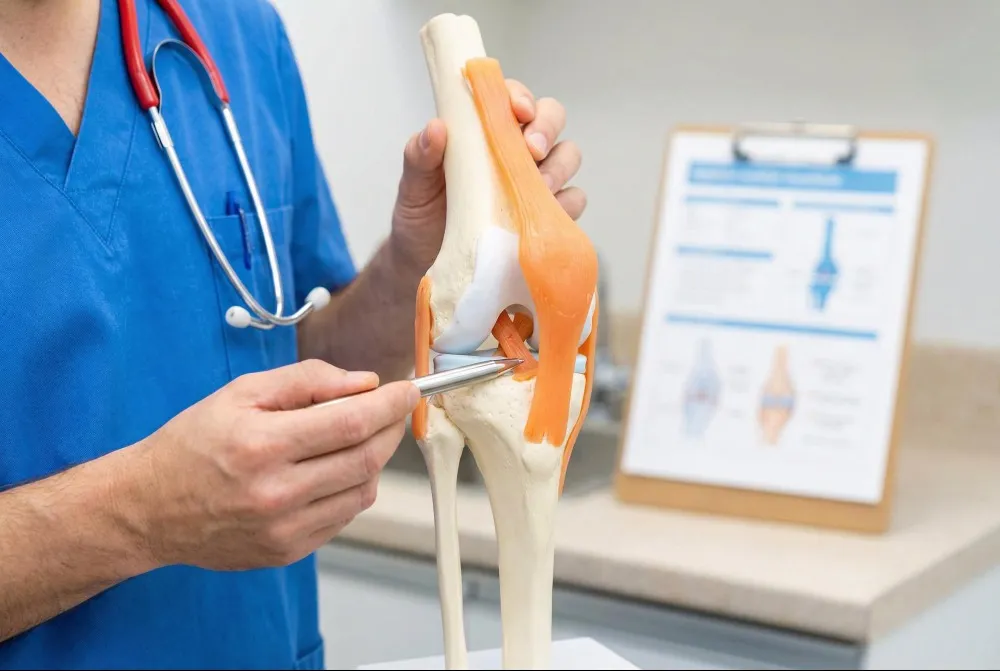
The anterior cruciate ligament, or ACL, helps control forward movement and rotational stability of the knee. It is commonly injured during sudden direction changes, awkward landings, twisting movements, or sports-related trauma.
The posterior cruciate ligament, or PCL, helps control backward movement of the shin bone relative to the thigh bone. PCL injuries may occur during direct impact to the front of the knee or other high-force trauma.
Both ligaments contribute to knee stability, but their injury patterns and treatment approaches can differ.
What Symptoms May Suggest Ligament Instability?
Patients with cruciate ligament injuries may experience:
- A feeling that the knee gives way
- Difficulty changing direction
- Swelling after activity
- Reduced confidence during sports
- Pain following a traumatic injury
- Difficulty running or pivoting
- Recurrent instability during everyday movement
Some people adapt well after rehabilitation, while others continue to experience instability despite strengthening and activity modification.
Is Reconstruction Required for Every ACL Tear?
No.
An ACL injury does not automatically mean surgery is necessary. Some patients with lower activity demands and good functional stability may manage successfully with structured rehabilitation.
Reconstruction may be discussed when instability persists, when the patient wishes to return to pivoting sports, or when associated injuries influence the treatment plan.
Factors considered include:
- Age and activity level
- Frequency of instability episodes
- Sports participation
- Occupational requirements
- Meniscus injuries
- Cartilage condition
- Overall knee stability
A treatment plan should therefore be individualized rather than based only on MRI findings.
How Is PCL Treatment Different?
Some isolated PCL injuries can be treated conservatively with bracing, rehabilitation, and strengthening.
Surgery may become more relevant in higher-grade injuries, combined ligament injuries, or cases where significant instability continues despite appropriate treatment.
Because PCL injuries are less common than ACL injuries, accurate diagnosis is particularly important.
Why Associated Meniscus Damage Matters
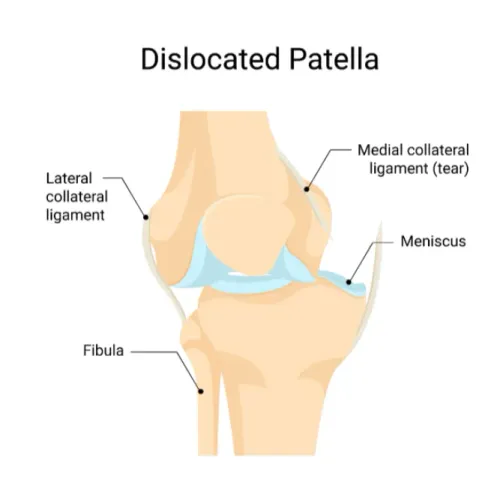
Ligament injuries can occur together with meniscus tears or cartilage damage.
A meniscus injury may cause locking, catching, pain, or swelling. In some cases, meniscus repair can be performed during ligament reconstruction when the tear pattern is suitable.
Preserving meniscal tissue when clinically appropriate can be valuable because the meniscus contributes to load distribution and joint stability.
What Happens Before Reconstruction?
Assessment usually includes a detailed injury history and physical examination.
The orthopedic surgeon may test ligament stability and compare the injured knee with the unaffected side. MRI can provide additional information about the ACL, PCL, meniscus, cartilage, and other structures.
X-rays may also be used to assess bone alignment or associated injuries.
Rehabilitation Is Essential
Ligament reconstruction is only one stage of recovery.
Rehabilitation generally progresses through several phases, including:
- Reducing swelling
- Restoring knee movement
- Rebuilding muscle strength
- Improving balance and neuromuscular control
- Developing running tolerance
- Reintroducing cutting and pivoting movements
- Completing sport-specific testing when appropriate
Return to sport should be based on functional recovery rather than a calendar date alone.
When Should Persistent Instability Be Evaluated?
Repeated episodes of the knee giving way should not be ignored, particularly after a known ligament injury. Continued instability may increase difficulty with activity and can sometimes contribute to additional joint damage.
For patients considering ligament reconstruction ACL/PCL surgeries in Dadar, Dr. Shreya Joshi can evaluate knee stability, imaging findings, activity requirements, and associated injuries before discussing whether continued rehabilitation or reconstruction is the more suitable approach.
Keywords