Choosing an orthopedic specialist can be an important decision when pain, instability, or an injury is affecting everyday movement. Some patients specifically prefer consulting a female orthopedics surgeon because they feel more comfortable discussing symptoms, previous treatment experiences, activity limitations, or personal concerns.
Gender preference can be a valid part of choosing a doctor, but clinical experience, communication, diagnostic approach, and suitability for the specific orthopedic condition should remain equally important considerations.
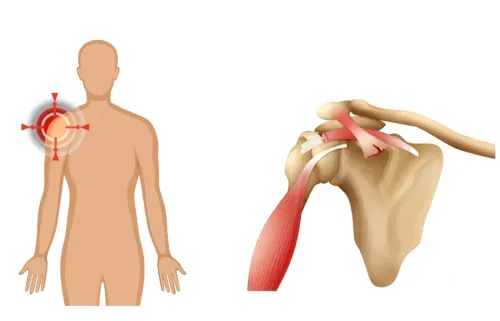
Patients in Parel looking for knee or shoulder care can use several practical factors to make a more informed choice.
Start With the Type of Orthopedic Problem
Orthopedics covers a broad range of conditions involving bones, joints, ligaments, muscles, tendons, and related structures.
If the primary problem involves the knee or shoulder, it can be useful to look at whether the surgeon routinely evaluates conditions such as:
- Sports-related injuries
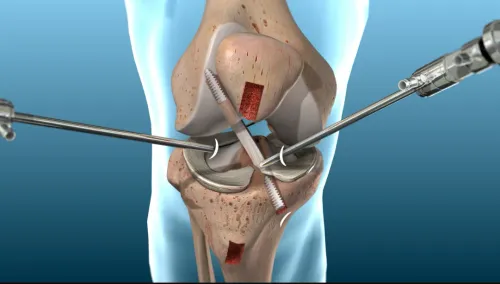
- Knee ligament injuries
- Meniscus tears
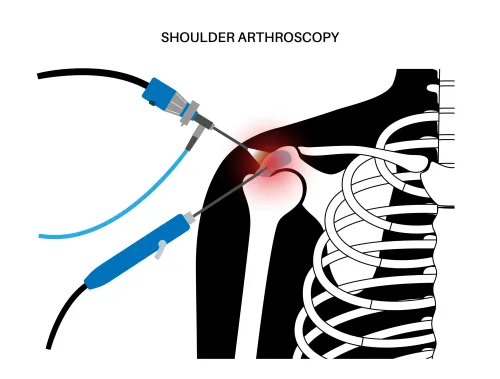
- Recurrent shoulder instability
- Rotator cuff injuries
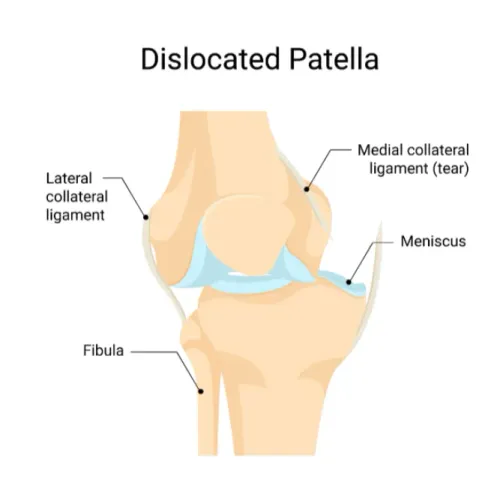
- Kneecap instability
- Cartilage problems
- Joint preservation needs
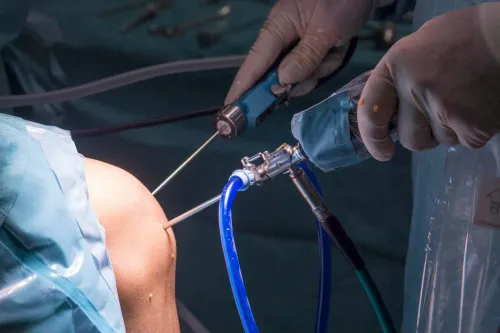
- Arthroscopy-related conditions
- Joint replacement indications
A focused understanding of the relevant joint can be especially valuable when the condition involves complex decisions between rehabilitation, repair, reconstruction, preservation, and replacement.
Look for Diagnosis Before Treatment
A good consultation should focus first on understanding the problem.
Patients should expect questions about when symptoms started, whether an injury occurred, which activities cause difficulty, and what previous treatment has been attempted.
Physical examination remains an important part of orthopedic assessment. Imaging such as X-rays or MRI may then be used when appropriate to clarify the diagnosis.
Be cautious about assuming that every abnormality on an MRI automatically requires surgery. Imaging findings should be interpreted alongside symptoms and examination.
Communication Matters
Orthopedic terminology can become technical quickly. Patients may hear terms such as ligament reconstruction, meniscus repair, arthroscopy, labral repair, cartilage damage, joint preservation, or replacement.
A useful consultation should make these concepts understandable.
Consider whether the surgeon explains:
- What structure is affected
- Why symptoms are occurring
- Whether the condition may improve without surgery
- Available treatment options
- Expected rehabilitation
- Potential limitations
- Possible risks
- When surgery might become appropriate
Patients should feel able to ask questions rather than leaving the consultation unsure about what happens next.
Ask About Conservative Treatment
Seeing a surgeon should not automatically lead to an operation.
Many orthopedic problems can initially be treated through physiotherapy, strengthening, activity modification, rehabilitation, medication, or other appropriate measures.
For some injuries, surgery becomes relevant only when instability continues, structural damage is significant, conservative treatment has not provided sufficient improvement, or the patient's functional requirements cannot be met without intervention.
A balanced treatment discussion should address both surgical and non-surgical possibilities when both are reasonable.
Consider the Rehabilitation Plan
Successful orthopedic care frequently extends beyond the procedure itself.
Whether someone is recovering from a ligament injury, meniscus repair, shoulder stabilization, or another orthopedic procedure, rehabilitation plays a major role in restoring movement and strength.
Before undergoing surgery, ask what rehabilitation is likely to involve and what restrictions may apply during recovery.
Personal Comfort Is Also Important
Some patients find it easier to communicate openly with a female doctor. Comfort can matter because orthopedic assessment may involve discussion of lifestyle, occupation, exercise, previous injuries, mobility limitations, and expectations from treatment.
A productive doctor-patient relationship combines clinical competence with clear communication and shared decision-making.
Questions to Ask During the First Appointment
Consider asking:
- What is the likely diagnosis?
- Do I need further imaging?
- Can this condition improve without surgery?
- What are the treatment alternatives?
- If surgery is considered, what exactly will it address?
- What rehabilitation will be required?
- When can normal daily activities resume?
For patients looking for a female orthopedics surgeon in Parel, Dr. Shreya Joshi provides evaluation for knee and shoulder conditions, including sports injuries and joint-related problems. Choosing a specialist should ultimately be based on confidence in the assessment, clarity of communication, and whether the proposed treatment matches the patient's condition and functional needs.
Keywords