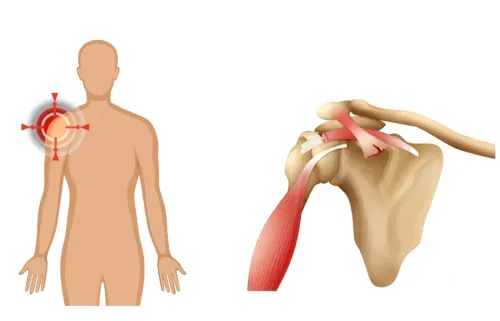
Joint pain is common after physical strain, minor injuries, increased activity, or age-related changes. Many episodes improve with rest and appropriate conservative care. However, pain that continues, limits movement, causes instability, or repeatedly returns deserves a more detailed assessment by an orthopedics surgeon.
For patients in Dadar, recognizing when a joint problem needs specialist evaluation can help identify injuries before they begin interfering significantly with mobility, work, exercise, or everyday activities.
When Joint Pain Should Not Be Ignored
Pain intensity alone does not always indicate how serious a joint problem may be. Some ligament, cartilage, tendon, or meniscus injuries can initially produce manageable discomfort while still affecting joint function.
An orthopedic consultation may be appropriate when you experience:
- Pain that persists despite rest
- Recurrent swelling around a joint
- Difficulty bending or straightening the knee
- Shoulder pain during overhead movement
- A knee that repeatedly gives way
- Locking or catching sensations
- Reduced range of motion
- Weakness following an injury
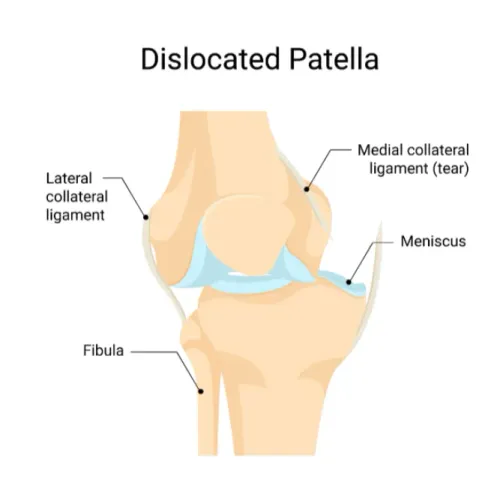
- Repeated shoulder or kneecap dislocation
- Difficulty returning to normal physical activity
A sudden injury accompanied by severe pain, visible deformity, inability to bear weight, significant swelling, or loss of normal function may require more urgent medical assessment.
Why Does the Cause of Pain Matter?
Knee and shoulder symptoms can originate from several different structures.
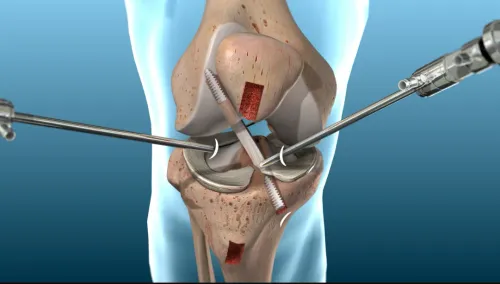
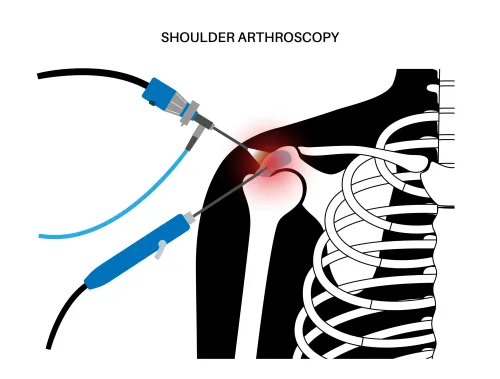
Knee pain, for example, may involve the meniscus, ligaments, cartilage, kneecap, tendons, or joint surfaces. Shoulder symptoms may arise from the rotator cuff, labrum, cartilage, tendons, instability, or other conditions.
Because different problems can produce similar symptoms, treating pain without establishing its cause may not provide lasting improvement.
An orthopedics surgeon evaluates the pattern of symptoms alongside physical findings to narrow down the diagnosis.
What Happens During an Orthopedic Assessment?
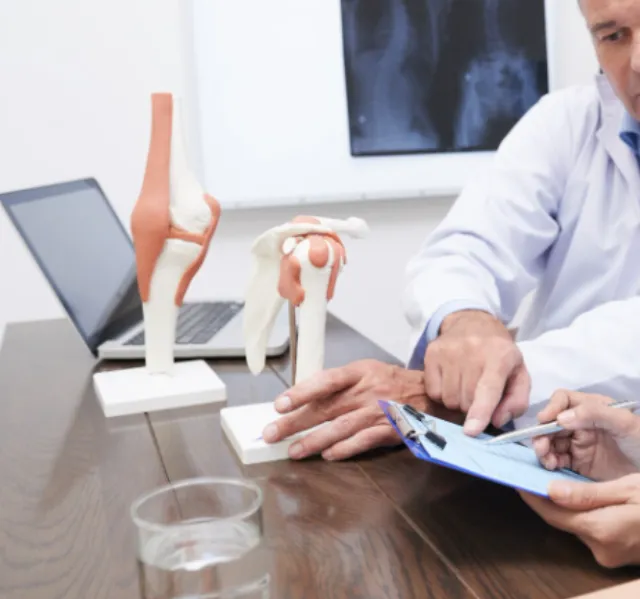
The consultation typically begins with a detailed medical and injury history. Patients may be asked when symptoms started, what movements make them worse, whether an injury occurred, and which treatments have already been tried.
Physical examination may then assess:
- Joint movement
- Muscle strength
- Stability
- Tenderness
- Swelling
- Alignment
- Functional movements
Imaging is requested when clinically appropriate rather than automatically for every patient.
X-rays can provide information about bone alignment, fractures, joint space, and arthritic changes. MRI may be useful for evaluating soft tissues such as ligaments, cartilage, tendons, and meniscus structures.
Does Consulting a Surgeon Mean Surgery Is Necessary?
No.
This is an important misconception. An orthopedic surgical consultation is also useful for determining when surgery is not required.
Depending on the condition, initial treatment may involve physiotherapy, strengthening, activity modification, medication, rehabilitation, or other conservative measures.
Surgery may enter the discussion when there is significant structural damage, persistent functional limitation, recurrent instability, or inadequate improvement despite suitable non-surgical treatment.
Why Recurrent Instability Needs Attention
A joint that repeatedly gives way or dislocates deserves particular attention.
For example, recurrent knee instability following a ligament injury can affect confidence during turning, running, or sporting movements. Repeated shoulder dislocations may indicate damage to structures responsible for maintaining joint stability.
Rather than repeatedly managing each episode independently, an orthopedic evaluation aims to identify the underlying reason for recurrence.
Prepare for Your Consultation
Patients can make an orthopedic appointment more useful by bringing previous X-rays, MRI reports, treatment records, and information about physiotherapy already completed.
It also helps to describe functional limitations clearly. Instead of simply saying that the knee hurts, explain whether you cannot climb stairs, squat, run, sleep comfortably, lift your arm, or participate in a particular sport.
For patients seeking an orthopedics surgeon in Dadar, Dr. Shreya Joshi evaluates joint problems based on symptoms, clinical findings, imaging when required, and individual functional goals. The purpose of assessment is to establish the problem first and then select an appropriate treatment pathway.
Keywords