

Shoulder pain can gradually change the way you live. Activities that once felt effortless, such as reaching for a shelf, lifting groceries, combing your hair, or even getting dressed, may become difficult when the shoulder joint is affected by injury or arthritis. While many shoulder problems improve with medication, physiotherapy, or minimally invasive procedures, there are situations where these treatments are no longer enough. In such cases, consulting an experienced Shoulder Replacement Surgeon can help determine whether shoulder replacement surgery is the most appropriate solution. For residents of Chembur and nearby parts of Mumbai, understanding when this procedure is recommended can make it easier to seek timely orthopedic care.
The shoulder is one of the body's most flexible joints, allowing movement in multiple directions. It is made up of bones, cartilage, muscles, tendons, and ligaments that work together to provide stability and mobility. Because of its wide range of motion, the shoulder is also vulnerable to injuries and degenerative conditions. Damage to any of these structures can lead to persistent pain, weakness, stiffness, and reduced function.
Shoulder replacement surgery involves replacing damaged portions of the shoulder joint with specially designed artificial components. The primary objective is to relieve pain, improve movement, and restore the ability to perform everyday activities. The decision to proceed with surgery is always based on a thorough orthopedic evaluation rather than symptoms alone.
Several conditions may lead an orthopedic surgeon to consider shoulder replacement, including:
- Advanced shoulder arthritis
- Severe cartilage wear
- Complex fractures involving the shoulder joint
- Irreparable rotator cuff damage with arthritis
- Avascular necrosis affecting the shoulder
- Long-standing joint degeneration after repeated injuries
Many patients assume shoulder replacement is only meant for elderly individuals. While age is one consideration, the overall condition of the joint, severity of symptoms, lifestyle, and response to previous treatments are far more important. Some younger patients with significant joint damage may also be candidates if their daily function is substantially affected.
One of the most common questions patients ask is whether surgery is the first treatment option. In most situations, it is not. Orthopedic specialists usually recommend conservative management before considering replacement surgery. This may include physiotherapy, anti-inflammatory medication when appropriate, activity modification, corticosteroid injections in selected cases, and exercises designed to strengthen the surrounding muscles. Surgery is generally considered only when these treatments fail to provide meaningful improvement or when joint damage is too advanced to respond to non-surgical care.
Certain symptoms may indicate that it is time to seek specialist evaluation. These include:
- Shoulder pain that persists for several months
- Pain that interrupts sleep regularly
- Difficulty lifting the arm above shoulder level
- Significant stiffness affecting daily activities
- Weakness that limits routine movements
- Reduced shoulder mobility despite rehabilitation
- Pain that continues despite medication and physiotherapy
A detailed orthopedic assessment usually includes a physical examination along with imaging studies such as X-rays or MRI scans. These investigations help determine the extent of cartilage loss, bone damage, tendon injuries, and joint alignment. Every treatment recommendation is based on these findings rather than imaging alone, ensuring that decisions are individualized.
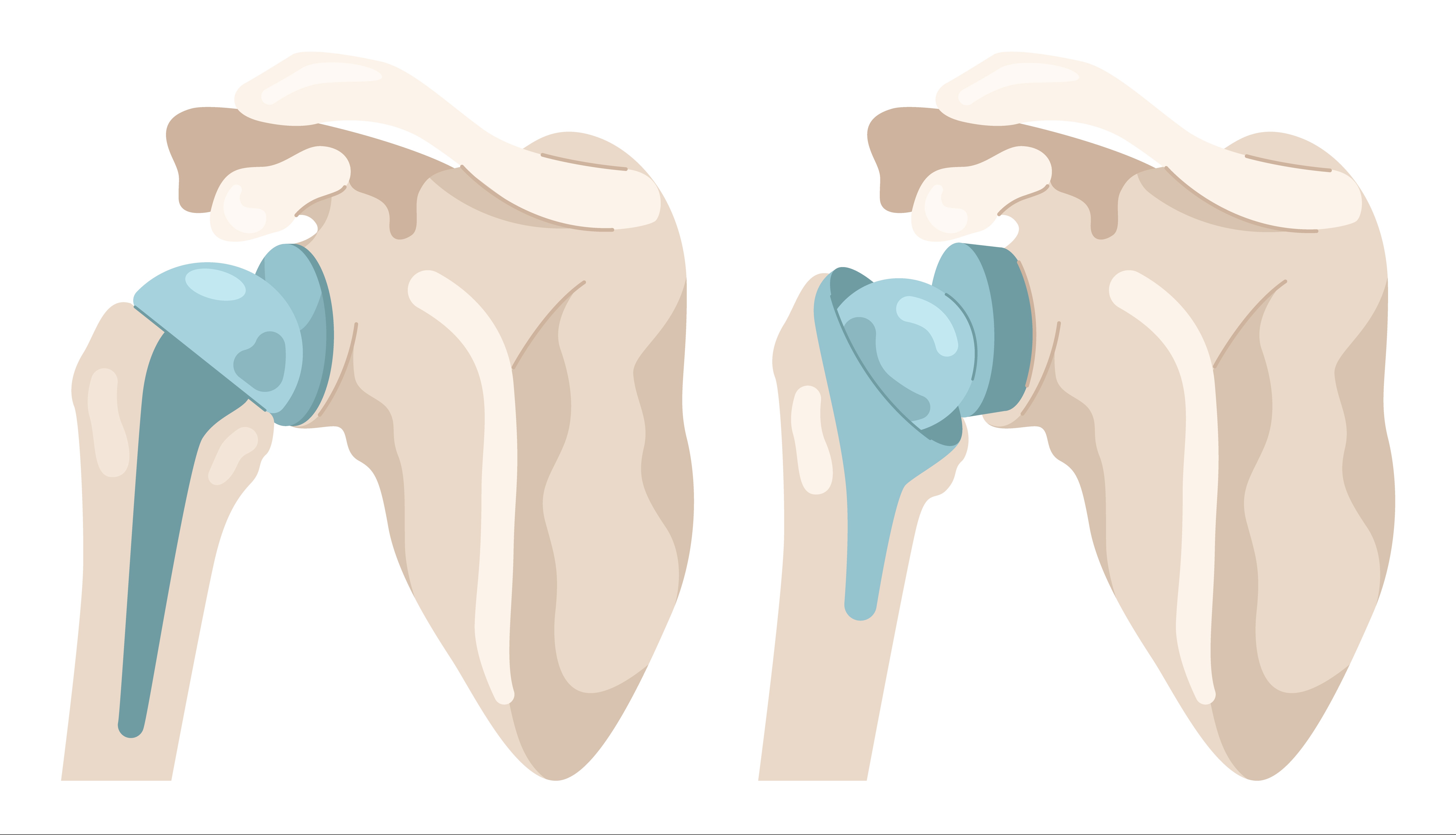
Shoulder replacement procedures have advanced considerably over the years. Modern surgical techniques and improved implant designs allow surgeons to tailor treatment according to the patient's anatomy and underlying condition. Depending on the extent of damage, the surgeon may recommend a total shoulder replacement, partial shoulder replacement, or reverse shoulder replacement. Each procedure has specific indications, making specialist evaluation essential for selecting the most appropriate approach.
Recovery after shoulder replacement does not end with surgery. Rehabilitation plays a major role in restoring function and improving long-term outcomes. Physiotherapy usually begins soon after the procedure and progresses in stages. Initially, the focus is on protecting the healing joint while gradually improving movement. Strengthening exercises are introduced later as recovery advances. The overall rehabilitation timeline varies from patient to patient depending on age, health status, the type of surgery performed, and commitment to physiotherapy.
People living in Chembur and nearby areas of Mumbai often lead busy professional and personal lives that require good shoulder function. Delaying treatment for persistent shoulder pain may lead to progressive stiffness and reduced mobility, making routine tasks increasingly difficult. Seeking orthopedic evaluation early allows patients to understand all available treatment options before joint damage becomes more severe.
Dr. Shreya Joshi specializes in orthopedic surgery with expertise in shoulder conditions, sports injuries, arthroscopy, and joint preservation procedures. Patients experiencing chronic shoulder pain, reduced mobility, or advanced joint problems often seek specialist consultation to understand whether shoulder replacement or another treatment option is appropriate. Additional information about the practice and available orthopedic services can be found on the clinic's website, drshreyajoshi.com.
Shoulder replacement surgery is not the right choice for every patient, but it can provide significant functional improvement for carefully selected individuals with advanced shoulder disease. Recognizing persistent symptoms, seeking timely orthopedic evaluation, and understanding the available treatment options can help patients make informed decisions that support better shoulder health and long-term quality of life.