


A shoulder dislocation is more than a painful injury—it can also become a recurring problem that affects confidence, mobility, and participation in everyday activities. While many people recover well after a first-time dislocation with appropriate treatment and rehabilitation, others experience repeated episodes where the shoulder slips out of place even during routine movements. In such situations, Shoulder Dislocation Surgery may be recommended to restore stability and reduce the likelihood of future dislocations. For individuals in Dadar and nearby parts of Mumbai, understanding when surgery becomes necessary can help guide timely orthopedic care.
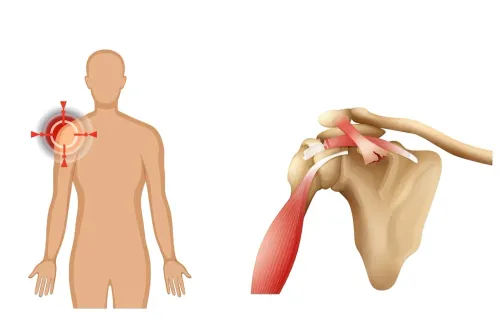
The shoulder is the most mobile joint in the human body, allowing the arm to move in almost every direction. This remarkable flexibility comes from a shallow ball-and-socket joint, which unfortunately also makes the shoulder more prone to instability than many other joints. Stability depends on a combination of ligaments, cartilage, muscles, tendons, and the labrum working together to keep the upper arm bone securely positioned within the shoulder socket.
A shoulder dislocation occurs when the upper arm bone moves completely out of its socket. This can happen due to:
- Sports injuries
- Falls onto an outstretched arm
- Road traffic accidents
- Direct impact during contact sports
- Sudden twisting movements
- High-energy trauma
Young athletes and physically active individuals are particularly susceptible because of the demands placed on the shoulder during sports involving overhead movements or physical contact.
After the first dislocation, many patients recover successfully with conservative treatment that may include immobilization, pain management, and structured physiotherapy. However, in some individuals, the supporting ligaments and labrum do not heal adequately, leading to chronic shoulder instability.
Signs that recurrent instability may be developing include:
- The shoulder repeatedly slipping out of place
- A feeling that the shoulder is about to dislocate
- Pain during overhead movements
- Clicking or catching sensations
- Weakness in the shoulder
- Reduced confidence during sports or lifting activities
- Difficulty performing daily tasks involving arm movement
One of the most common questions patients ask is whether surgery is required after every shoulder dislocation. The answer is no. Treatment depends on several factors, including:
- Whether the injury is a first-time or recurrent dislocation
- Patient age
- Activity level
- Occupation
- Sports participation
- Extent of ligament or labral injury
- Presence of associated bone damage
For patients with repeated dislocations or significant structural damage, surgery may offer better long-term stability than repeated non-surgical management.
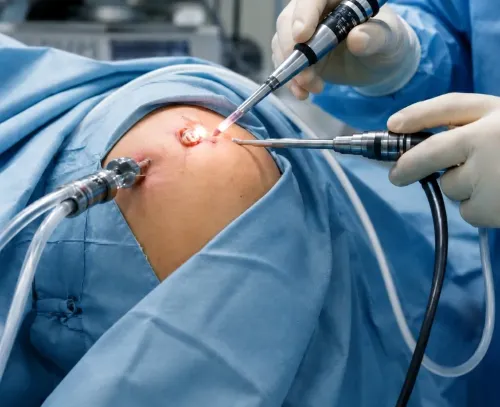
Modern shoulder dislocation surgery is frequently performed using arthroscopic techniques. Shoulder arthroscopy allows the orthopedic surgeon to visualize the joint using a miniature camera inserted through small incisions. Specialized instruments are then used to repair damaged ligaments, the labrum, or other injured structures responsible for shoulder instability.
Arthroscopic surgery offers several potential advantages, including:
- Smaller surgical incisions
- Excellent visualization of the shoulder joint
- Reduced disruption of surrounding soft tissues
- Treatment of associated injuries during the same procedure
- Structured rehabilitation with the goal of restoring stability
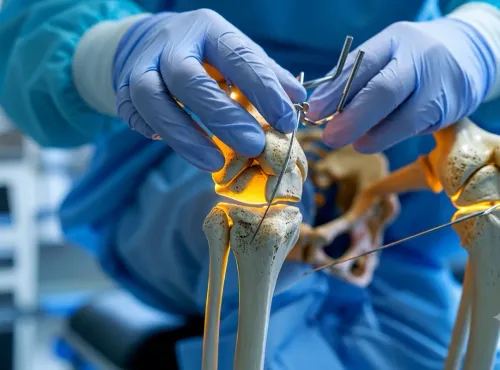
The choice of procedure depends on the individual's injury pattern. Some patients require labral repair, while others with significant bone loss may need alternative stabilization procedures. A detailed clinical examination and imaging studies such as MRI or CT scans help determine the most appropriate surgical approach.
Recovery following shoulder stabilization surgery requires patience and commitment. Although the repaired tissues begin healing immediately after surgery, complete recovery depends heavily on rehabilitation.
A typical rehabilitation program includes:
- Temporary use of a sling to protect the shoulder.
- Gentle range-of-motion exercises under supervision.
- Progressive strengthening of the shoulder muscles.
- Functional training for daily activities.
- Sport-specific rehabilitation when appropriate.
Returning to strenuous activities too early may increase the risk of reinjury. Following the orthopedic surgeon's rehabilitation protocol helps protect the repair and supports gradual restoration of shoulder strength and mobility.
For residents of Dadar and surrounding areas of Mumbai, seeking specialist evaluation after repeated shoulder dislocations is important. Ignoring recurrent instability may increase the likelihood of further damage to the cartilage, ligaments, and bones within the joint. Early diagnosis allows patients to understand all available treatment options before the condition becomes more complex.
Dr. Shreya Joshi specializes in orthopedic surgery with expertise in shoulder instability, sports injuries, arthroscopy, and joint preservation procedures. Patients experiencing recurrent shoulder dislocations often seek specialist assessment to determine whether conservative management or surgical stabilization is the most suitable option for their condition. Additional information about orthopedic services and treatment approaches is available through the clinic's website, drshreyajoshi.com.
Recurrent shoulder instability should never be viewed as something that must simply be tolerated. Whether the goal is returning to sports, maintaining an active lifestyle, or performing everyday tasks without fear of another dislocation, timely orthopedic evaluation plays a vital role. Understanding the causes of shoulder instability and the role of modern arthroscopic surgery enables patients to make informed treatment decisions that support long-term shoulder health and improved quality of life.