


Shoulder pain can make everyday activities surprisingly difficult. Reaching overhead, lifting a bag, fastening a seatbelt, or even sleeping comfortably may become challenging when the shoulder joint is injured or inflamed. While many shoulder conditions improve with rest, medication, and physiotherapy, some problems persist despite conservative treatment. In such situations, consulting a Shoulder Arthroscopy Specialist can help determine whether minimally invasive surgery is an appropriate option. For people living in Wadala and nearby areas of Mumbai, understanding shoulder arthroscopy can make treatment decisions less overwhelming.
The shoulder is one of the most mobile joints in the body, allowing movement in multiple directions. This flexibility makes it essential for daily activities and sports, but it also increases the risk of injuries involving muscles, tendons, cartilage, and ligaments. Because many shoulder structures work together in a relatively small space, identifying the exact source of pain often requires careful clinical evaluation.
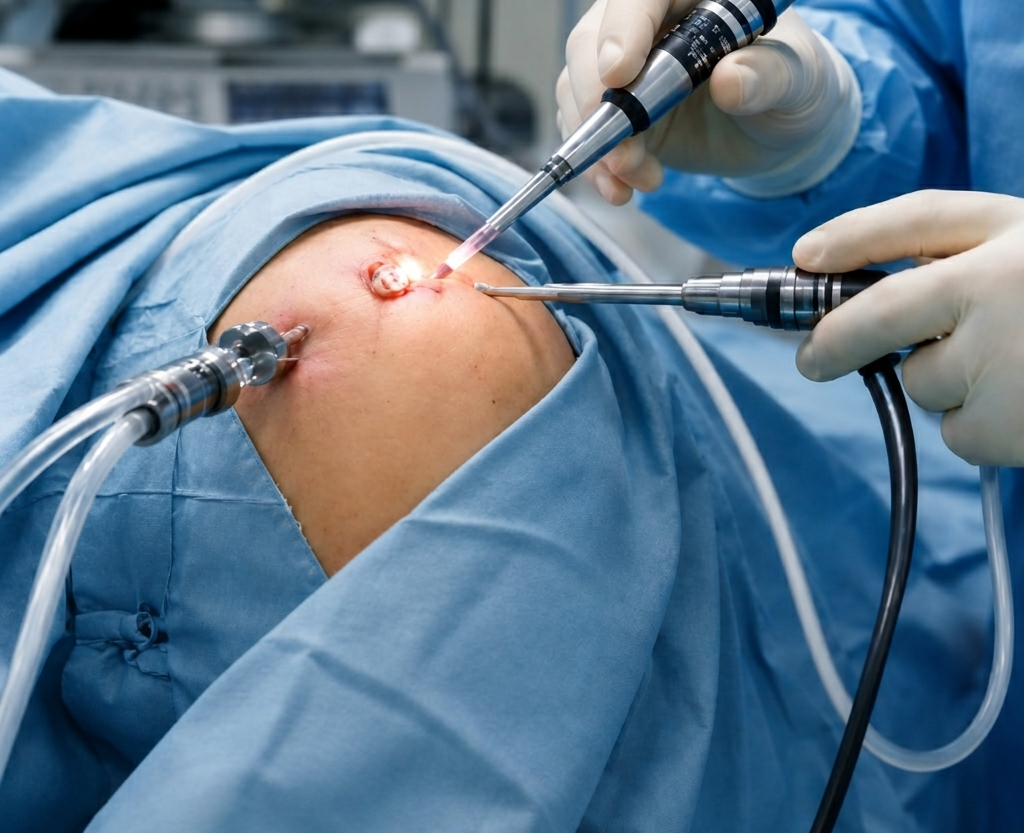
Shoulder arthroscopy is a minimally invasive orthopedic procedure that allows the surgeon to examine and treat problems inside the shoulder joint using a tiny camera called an arthroscope. The camera is inserted through a small incision, transmitting high-definition images to a monitor. Specialized surgical instruments are introduced through additional small incisions to repair damaged tissues when necessary.
Unlike traditional open surgery, arthroscopy minimizes disruption to surrounding muscles and soft tissues. Although every patient's recovery differs, this approach often results in smaller scars, less postoperative discomfort, and a structured rehabilitation process aimed at restoring shoulder function.
A shoulder arthroscopy specialist may recommend the procedure for several conditions, including:
- Rotator cuff tears
- Recurrent shoulder dislocation
- Shoulder impingement syndrome
- Labral tears
- Frozen shoulder in selected cases
- Cartilage injuries
- Loose bodies within the joint
- Inflammation of the joint lining
- Sports-related shoulder injuries
One common misconception is that every person with shoulder pain needs surgery. In reality, most orthopedic specialists begin with non-surgical treatment whenever appropriate. Depending on the diagnosis, this may include physiotherapy, activity modification, anti-inflammatory medication, guided exercises, or injections in carefully selected cases. Arthroscopy is generally considered only when symptoms persist despite these measures or when structural damage requires surgical repair.
Patients frequently ask how shoulder arthroscopy differs from traditional surgery. The most noticeable difference is the surgical approach. Instead of making one large incision, arthroscopy uses several small openings that allow the surgeon to visualize the joint with precision. This detailed view often helps identify injuries that may not be fully appreciated through imaging alone.
The benefits of shoulder arthroscopy may include:
- Smaller surgical incisions
- Better visualization of the joint
- Treatment of multiple problems during the same procedure when appropriate
- Less soft tissue disruption
- Gradual return to everyday activities through guided rehabilitation
However, the suitability of arthroscopy depends entirely on the patient's diagnosis. Certain complex fractures or advanced joint degeneration may require different surgical techniques, making a thorough orthopedic evaluation essential before deciding on treatment.
Preparation for shoulder arthroscopy usually begins with a detailed consultation. The orthopedic surgeon reviews medical history, previous injuries, activity level, imaging studies, and physical examination findings. MRI scans are often helpful in identifying tendon tears, labral injuries, or cartilage damage, while X-rays evaluate the condition of the bones and joint alignment.
Recovery after shoulder arthroscopy varies according to the procedure performed. Some patients undergo relatively simple procedures, while others require tendon or ligament repairs that need longer healing periods. Rehabilitation is carefully planned and generally progresses through different stages.
A typical recovery program may include:
- Protecting the repaired tissues during the initial healing phase.
- Gentle exercises to restore shoulder movement.
- Progressive muscle strengthening.
- Functional exercises for daily activities.
- Sport-specific rehabilitation for athletes when appropriate.
Following the prescribed physiotherapy program is essential. Attempting strenuous activities too early may affect tissue healing and delay recovery. Consistent rehabilitation helps improve shoulder strength, flexibility, and long-term function.
For residents of Wadala and surrounding parts of Mumbai, early evaluation of persistent shoulder pain can prevent ongoing joint damage. Symptoms such as repeated dislocations, weakness while lifting the arm, pain lasting several weeks, or limited shoulder movement should not be ignored. Seeking specialist advice early often provides access to a wider range of treatment options before the condition progresses.
Dr. Shreya Joshi specializes in orthopedic surgery with expertise in sports injuries, arthroscopy, shoulder disorders, and joint preservation procedures. Patients experiencing shoulder pain, instability, or sports-related injuries often seek specialist assessment to understand whether minimally invasive treatment is appropriate for their condition. Further information about orthopedic services and treatment approaches is available through the clinic's website, drshreyajoshi.com.
Shoulder arthroscopy has transformed the way many orthopedic conditions are managed by combining precise diagnosis with minimally invasive treatment. While not every shoulder problem requires surgery, understanding when arthroscopy may be beneficial allows patients to make informed healthcare decisions. Timely consultation, accurate diagnosis, and a structured rehabilitation plan remain the foundation of successful shoulder recovery and long-term joint health.


