

Shoulder pain is often dismissed as a temporary strain caused by exercise, lifting heavy objects, or sleeping in an awkward position. While mild discomfort may improve with rest, persistent pain or weakness can sometimes indicate a more serious problem involving the rotator cuff. These injuries can make routine activities increasingly difficult and, if left untreated, may affect long-term shoulder function. For people searching for Rotator Cuff Repair Surgery in Chembur, understanding the condition and the available treatment options is the first step toward informed decision-making.
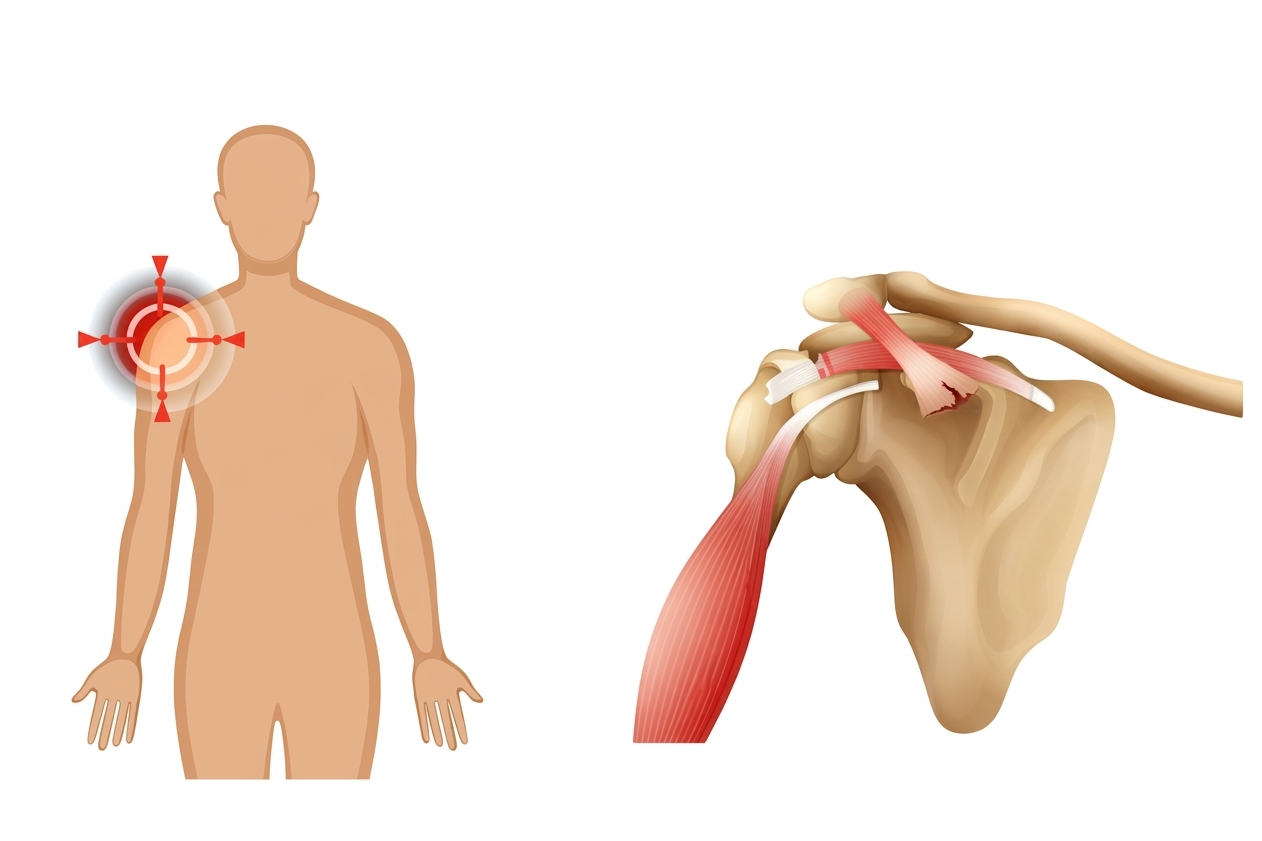
The rotator cuff is a group of four muscles and their tendons that work together to stabilize the shoulder joint and enable smooth arm movement. Every time you lift your arm, throw a ball, reach behind your back, or carry groceries, the rotator cuff helps coordinate these movements. Because these tendons are used frequently, they are vulnerable to injury from both sudden trauma and gradual wear over time.
Rotator cuff tears can occur in individuals of different age groups. Younger people often sustain injuries during sports, gym workouts, or accidents, while older adults may develop tears gradually as the tendons undergo age-related degeneration. Regardless of the cause, early diagnosis is important because untreated tears may enlarge and become more difficult to repair.
Common causes of rotator cuff injuries include:
- Sudden falls onto the shoulder
- Heavy lifting
- Repetitive overhead activities
- Sports such as cricket, tennis, badminton, swimming, and volleyball
- Degenerative tendon changes with age
- Previous shoulder injuries
Many people are surprised that a rotator cuff tear does not always cause severe pain immediately. In some cases, symptoms develop gradually and worsen over weeks or months.
Some warning signs that should not be ignored include:
- Shoulder pain that persists despite rest
- Pain while lifting the arm above shoulder level
- Weakness during overhead activities
- Difficulty reaching behind the back
- Night pain that disturbs sleep
- Clicking or catching sensations within the shoulder
- Reduced shoulder movement
A common question patients ask is whether every rotator cuff tear requires surgery. The answer depends on several factors, including the size of the tear, the patient's age, activity level, occupation, and the severity of symptoms. Many partial tears respond well to non-surgical treatment, which may include physiotherapy, activity modification, medications when appropriate, and carefully supervised rehabilitation exercises.
Rotator cuff repair surgery is generally considered when:
- The tendon is completely torn.
- Pain persists despite conservative treatment.
- Shoulder weakness affects daily activities.
- The patient wishes to return to sports or physically demanding work.
- Imaging confirms a repairable tendon injury.
Modern orthopedic surgery often uses arthroscopic techniques for rotator cuff repair. During arthroscopy, the surgeon inserts a miniature camera through a small incision to view the inside of the shoulder joint. Additional small incisions allow specialized instruments to repair the torn tendon by reattaching it securely to the bone.
Compared to traditional open surgery, arthroscopic repair typically involves smaller incisions and less disruption to surrounding tissues. However, the choice of surgical technique depends on the specific characteristics of the injury and is determined after detailed clinical evaluation.
One of the most important aspects of successful treatment is rehabilitation. Surgery repairs the tendon, but physiotherapy helps restore shoulder strength, flexibility, and function. Recovery occurs gradually and follows a structured program designed to protect the repaired tendon while promoting healing.
Rehabilitation commonly progresses through the following stages:
- Protection of the repaired shoulder using a sling when recommended.
- Gentle passive movement exercises.
- Gradual restoration of active shoulder movement.
- Progressive muscle strengthening.
- Functional rehabilitation for work, sports, and daily activities.
The recovery timeline varies between individuals depending on the size of the tear, the type of repair performed, overall health, and adherence to physiotherapy. Attempting heavy lifting or sports before complete healing may place unnecessary stress on the repaired tendon.
For residents of Chembur and nearby parts of Mumbai, early orthopedic consultation can make a meaningful difference. Delaying assessment because the pain seems manageable may allow the tendon injury to progress. Prompt evaluation enables the orthopedic surgeon to determine whether conservative treatment remains appropriate or whether surgical repair offers the best opportunity to restore shoulder function.
Dr. Shreya Joshi specializes in orthopedic surgery with expertise in sports injuries, shoulder arthroscopy, rotator cuff repair, and joint preservation procedures. Patients experiencing persistent shoulder pain, weakness, or limited mobility often seek specialist evaluation to understand the most appropriate treatment based on their diagnosis and activity level. More information about orthopedic services and treatment options is available through the clinic's website, drshreyajoshi.com.
A healthy shoulder is essential for maintaining independence and participating in everyday activities. Whether the injury is caused by sports, work, or age-related changes, timely diagnosis and appropriate treatment can help preserve shoulder function and improve quality of life. Understanding the symptoms of rotator cuff injuries empowers patients to seek care before the condition becomes more complex, allowing for better long-term outcomes through individualized orthopedic management.