


A sudden twist while walking, an awkward landing during sports, or even a simple misstep can sometimes cause the kneecap to move out of its normal position. For some people, this happens only once and heals with appropriate treatment. Others, however, experience repeated episodes that make everyday activities increasingly difficult. Recurrent kneecap instability can affect confidence, limit physical activity, and increase the risk of long-term joint damage. For individuals looking for information about Patella Dislocation Surgery in Parel, understanding when surgery becomes necessary is an important part of making informed treatment decisions.
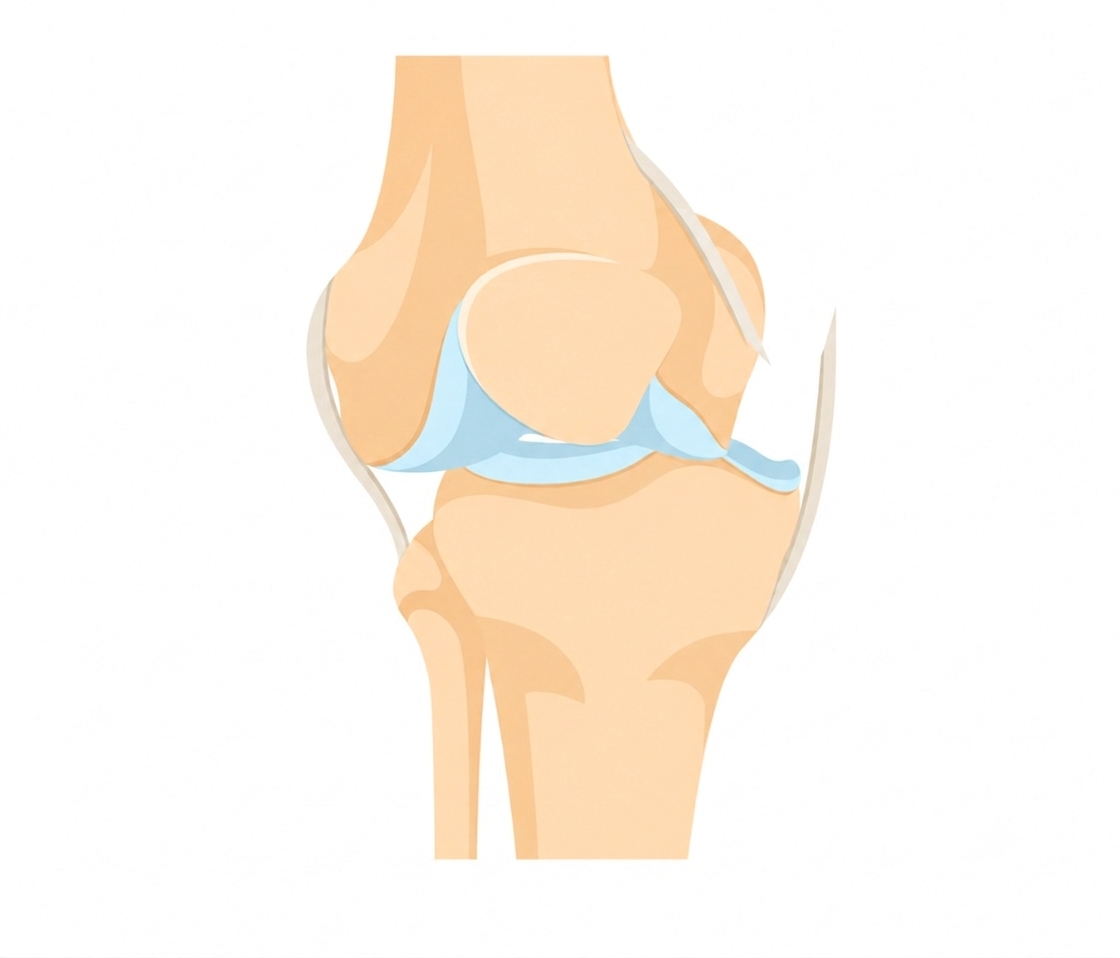
The patella, commonly known as the kneecap, sits within a groove at the front of the knee joint. It works together with the thigh muscles, tendons, ligaments, and cartilage to allow smooth bending and straightening of the knee. During movement, the kneecap glides within this groove while helping improve the efficiency of the quadriceps muscles.
When the patella moves completely or partially out of this groove, it is referred to as a patellar dislocation or patellar instability. This usually occurs toward the outer side of the knee and may happen during sports, sudden twisting movements, falls, or direct impact. In some individuals, underlying anatomical factors increase the likelihood of repeated dislocations even after the initial injury has healed.
Several factors can contribute to patellar instability, including:
- Sports involving sudden changes in direction
- Direct trauma to the knee
- Weakness of the surrounding muscles
- Ligament injuries around the kneecap
- A shallow groove in the thigh bone
- Poor alignment of the lower limb
- Generalized ligament laxity
Young athletes are commonly affected, but recurrent patellar instability can also occur in adults who are physically active or have specific anatomical variations.
Following a first-time patellar dislocation, many patients recover successfully without surgery. Initial treatment may involve temporary immobilization, pain management, physiotherapy, and gradual strengthening of the muscles supporting the knee. The objective is to restore stability while reducing the likelihood of another dislocation.
However, surgery may be considered when:
- The kneecap repeatedly dislocates.
- The knee continues to feel unstable despite rehabilitation.
- There is significant ligament damage.
- Loose cartilage or bone fragments are present.
- Daily activities become difficult because of instability.
- Imaging studies reveal structural abnormalities contributing to repeated dislocations.
Patients often wonder how to recognize ongoing patellar instability. Common symptoms include:
- Repeated episodes of the kneecap slipping out of place
- Pain around the front of the knee
- Swelling after activity
- A feeling that the knee may give way
- Difficulty climbing stairs
- Fear of sudden twisting movements
- Reduced participation in sports
One important aspect of treatment is identifying the underlying cause rather than simply treating the symptoms. A detailed orthopedic evaluation includes a physical examination along with imaging studies such as X-rays, MRI scans, and occasionally CT scans. These investigations help assess ligament injuries, cartilage damage, bone alignment, and the shape of the patellar groove.
Patella dislocation surgery is not a single procedure. The most appropriate operation depends on the specific reason for instability. Depending on the patient's condition, surgery may involve repairing or reconstructing damaged ligaments, correcting bone alignment, addressing cartilage injuries, or combining multiple procedures to improve kneecap stability.
Many of these procedures are performed using modern surgical techniques, including arthroscopy where appropriate. Arthroscopy allows the surgeon to inspect the inside of the knee through small incisions and treat associated cartilage or soft tissue injuries while minimizing disruption to surrounding structures.
Recovery after patella stabilization surgery varies depending on the procedure performed. Rehabilitation remains an essential part of successful treatment and generally progresses through several stages:
- Protecting the knee during the initial healing period.
- Restoring normal knee movement.
- Strengthening the quadriceps, hamstrings, and hip muscles.
- Improving balance and coordination.
- Gradually returning to sports and higher-level physical activities.
Patients who actively participate in physiotherapy often achieve better functional recovery because rehabilitation helps restore both muscle strength and confidence in knee movement.
For residents of Parel and nearby areas of Mumbai, seeking early orthopedic consultation after recurrent kneecap dislocations can help prevent further cartilage damage and improve long-term joint health. Delaying specialist evaluation may increase the risk of repeated instability episodes, which can gradually affect the knee's overall function.
Dr. Shreya Joshi specializes in orthopedic surgery with expertise in sports injuries, knee arthroscopy, ligament reconstruction, and patellar instability management. Patients experiencing repeated kneecap dislocations often seek specialist evaluation to understand whether structured rehabilitation or surgical treatment is the most appropriate option based on their individual condition. Additional information about orthopedic services and treatment approaches is available through the clinic's website, drshreyajoshi.com.
Recurrent patellar instability should not be accepted as an unavoidable part of an active lifestyle. With accurate diagnosis, individualized treatment planning, and carefully supervised rehabilitation, many patients are able to regain knee stability and return to their daily activities with greater confidence. Early assessment remains the key to selecting the right treatment before repeated dislocations lead to more extensive joint damage.


