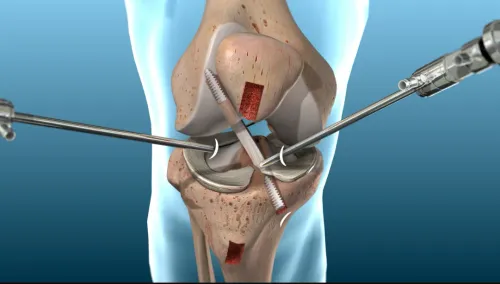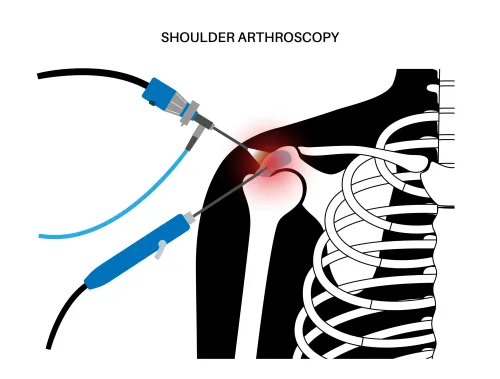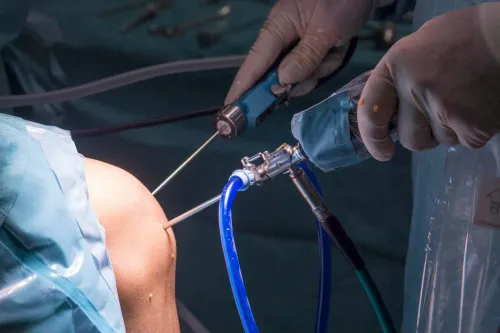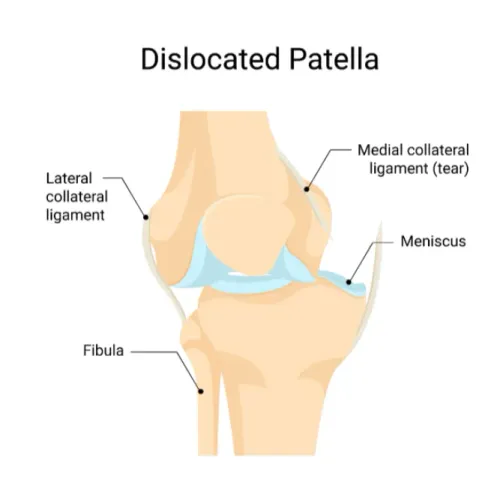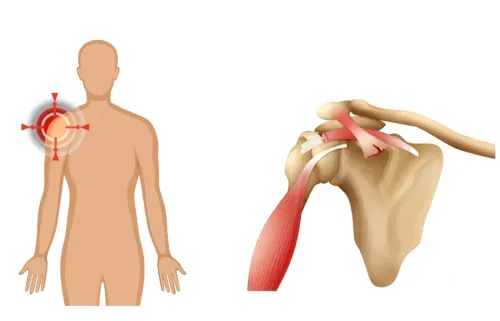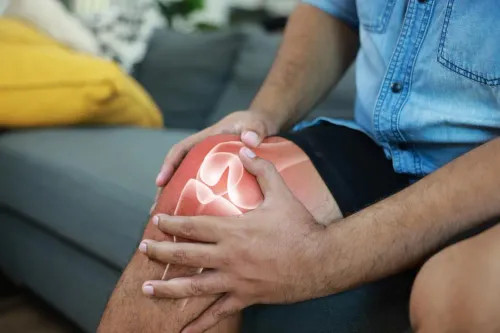
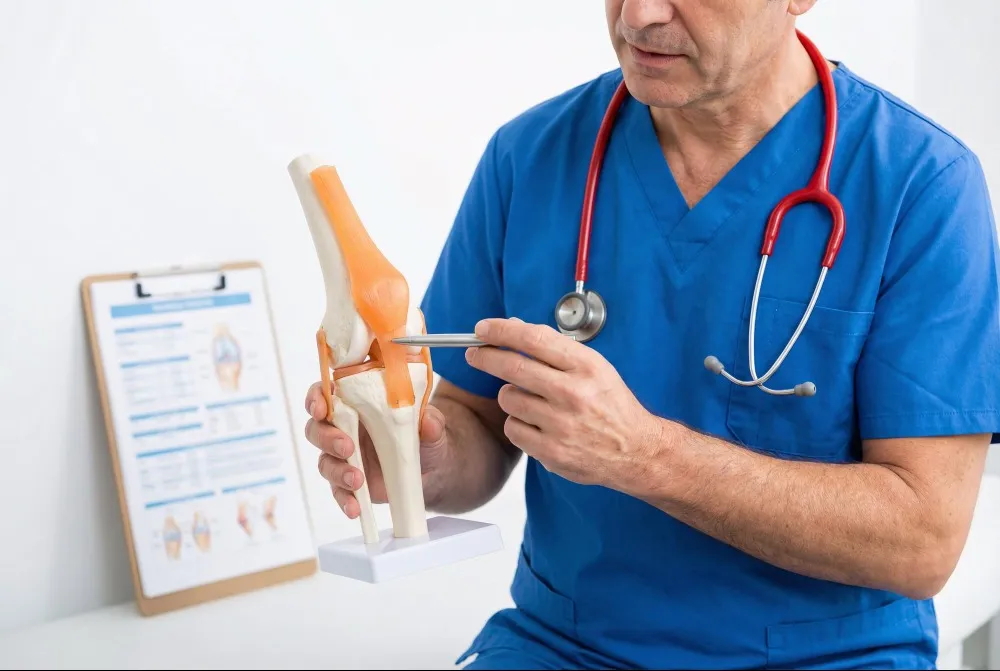
Joint pain is common, yet persistent symptoms should not automatically be dismissed as ageing, overuse, plus temporary strain. Pain can originate from bones, cartilage, ligaments, tendons, muscles, plus structures surrounding a joint.
Consulting an orthopedics surgeon in Wadala may be appropriate when symptoms continue despite basic care, movement becomes restricted, plus an injury causes instability.
Symptoms That Deserve Attention
Minor aches after unfamiliar activity often improve with rest plus gradual movement. Specialist assessment becomes more relevant when symptoms persist or progressively affect daily life.
Warning signs include
- Persistent knee or shoulder pain
- Repeated joint swelling
- Difficulty climbing stairs
- Pain during sleep
- Joint locking
- Giving-way episodes
- Significant stiffness
- Reduced shoulder movement
- Weakness following an injury
- Difficulty returning to sport
Sudden trauma can require earlier assessment, particularly when weight bearing becomes difficult or the joint looks visibly abnormal.
What Happens During an Orthopedic Consultation?
A useful consultation starts with understanding how the problem developed.
The doctor may ask when symptoms began, what movements trigger discomfort, whether an injury occurred, plus how the condition affects work, exercise, sleep, plus daily tasks.
Physical examination can assess tenderness, range of motion, strength, stability, swelling, plus specific movement patterns.
Imaging is selected according to clinical need rather than ordered automatically.
X-rays are particularly useful for evaluating bones, alignment, fractures, plus arthritis-related changes. MRI can provide detailed information about ligaments, cartilage, meniscus tissue, tendons, plus other soft tissues.
Surgery Is Not Automatically the First Treatment
Seeing an orthopedic surgeon does not mean surgery will necessarily be advised.
Many musculoskeletal problems respond to conservative treatment. Depending on the diagnosis, treatment may include
- Activity modification
- Medication
- Physiotherapy
- Strengthening
- Mobility exercises
- Temporary bracing
- Guided return to activity
Surgery becomes relevant when there is a clear structural indication, significant functional limitation, recurrent instability, failed conservative management, plus another clinical reason.
Why Early Diagnosis Can Matter
Ignoring persistent symptoms can allow a manageable problem to become more disruptive.
A person with recurrent knee instability, for example, may continue twisting the joint during ordinary activity. Someone with persistent shoulder weakness after trauma may unknowingly have a significant tendon injury.
Early evaluation does not automatically lead to aggressive treatment. Instead, it provides clarity about what is injured plus what should be done next.
Preparing for Your Consultation
Patients can make an orthopedic appointment more productive by bringing previous X-rays, MRI scans, medical reports, plus details about earlier treatment.
It is useful to explain your goals clearly. A competitive athlete, office worker, recreational runner, plus older adult may have different functional expectations even when imaging shows a similar condition.
Useful questions include
- What structure appears to be causing my symptoms?
- Can this problem improve without surgery?
- What activities should I temporarily modify?
- Is physiotherapy appropriate?
- What signs would indicate that treatment needs to change?
- How will progress be measured?
Choosing Care Based on Diagnosis
Effective orthopedic care starts with an accurate diagnosis rather than choosing a procedure first.
Dr. Shreya Joshi evaluates orthopedic problems with attention to symptoms, joint function, imaging findings, plus patient goals. For people seeking an orthopedic specialist in Wadala, Maharashtra, this structured approach can help distinguish conditions suitable for rehabilitation from those requiring procedural or surgical management.
Persistent joint pain should not simply become part of everyday life. Understanding why it is occurring provides a more useful starting point for treatment, recovery, plus safe return to activity.
Keywords