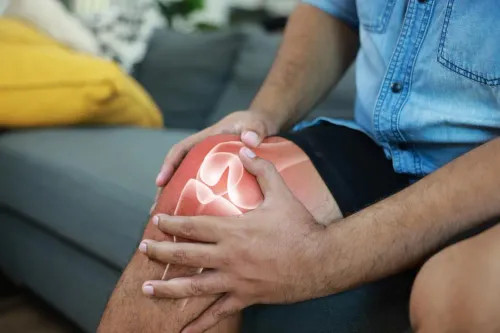


A knee injury can happen unexpectedly while playing sports, climbing stairs, lifting heavy objects, or even making a simple twisting movement. Sometimes the pain settles after a few days, but in other cases, the knee continues to swell, lock, or feel unstable. One of the most common causes of these symptoms is a torn meniscus. If conservative treatment does not provide sufficient relief, Meniscus Repair Surgery may be considered to restore knee function while preserving as much of the natural joint as possible. For individuals in Parel and nearby parts of Mumbai, understanding the difference between meniscus repair and meniscus removal is an important step toward making informed treatment decisions.
The meniscus is a C-shaped piece of cartilage located between the thigh bone and the shin bone. Each knee has two menisci—one on the inner side and one on the outer side. These structures act as natural shock absorbers, helping distribute body weight evenly across the knee while providing stability and reducing stress on the joint surfaces.
A healthy meniscus plays a vital role in protecting knee cartilage during daily activities such as walking, running, jumping, and squatting. When the meniscus tears, its ability to cushion the joint is reduced, potentially leading to pain, swelling, and long-term joint problems if left untreated.
Meniscus tears may occur due to:
- Sudden twisting movements during sports
- Direct impact to the knee
- Deep squatting while carrying weight
- Age-related degeneration of cartilage
- Repetitive stress on the knee joint
Although athletes frequently experience meniscus injuries, they are not the only group at risk. Office workers, homemakers, fitness enthusiasts, and older adults can also develop meniscal tears through everyday movements or gradual wear over time.
Common symptoms include:
- Pain along the knee joint line
- Swelling after activity
- Difficulty fully bending or straightening the knee
- Clicking or catching sensations
- Knee locking
- A feeling that the knee may give way
- Pain while squatting or climbing stairs
One of the most common questions patients ask is whether every torn meniscus requires surgery. The answer is no. Many small or stable tears improve with rest, physiotherapy, activity modification, and appropriate medical management. Treatment recommendations depend on factors such as the location of the tear, its size, the patient's age, activity level, and the presence of associated ligament injuries.
When surgery is required, orthopedic surgeons generally consider two primary options:
Meniscus Repair
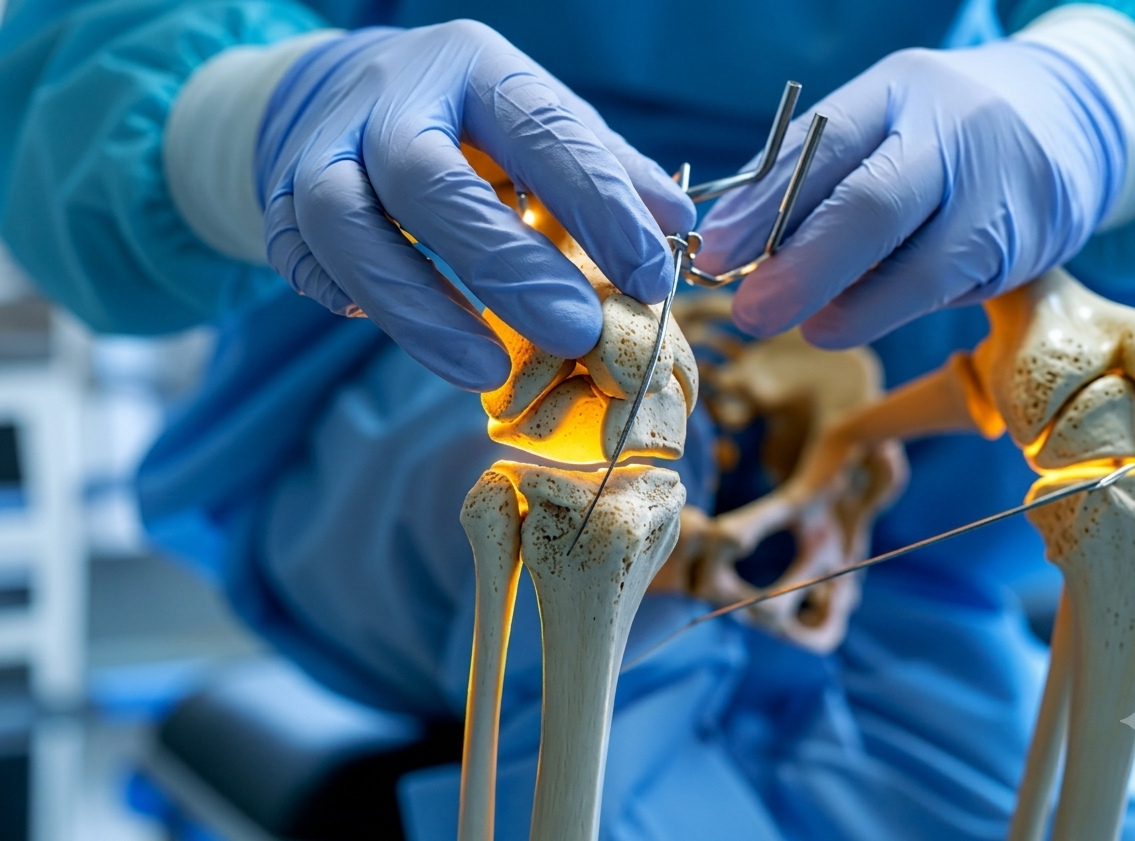
Meniscus repair involves stitching the torn cartilage back together so it can heal naturally. Whenever the tear pattern and blood supply make healing possible, repair is often preferred because it preserves the natural cushioning function of the knee.
Potential advantages of meniscus repair include:
- Preservation of normal knee biomechanics
- Better long-term protection of joint cartilage
- Reduced risk of early degenerative joint changes
- Improved joint stability when healing is successful
Partial Meniscectomy
In some situations, the torn portion of the meniscus cannot be repaired because of the tear pattern or poor blood supply. In these cases, the damaged fragment may be carefully removed while preserving as much healthy cartilage as possible. This procedure is called a partial meniscectomy.
The choice between repair and removal is not based on patient preference alone. It depends on careful clinical evaluation, MRI findings, the location of the tear, tissue quality, and the likelihood of successful healing.
Today, many meniscus procedures are performed arthroscopically. Arthroscopy allows the surgeon to view the inside of the knee using a miniature camera inserted through small incisions. Specialized instruments are then used to repair or remove damaged tissue with minimal disruption to surrounding structures. This minimally invasive approach is widely used in modern orthopedic surgery for appropriate patients.
Recovery varies according to the procedure performed. Patients undergoing meniscus repair usually follow a more protective rehabilitation program because the repaired tissue requires time to heal. Weight-bearing and knee movement may be gradually increased under the guidance of the orthopedic surgeon and physiotherapist. Those who undergo partial meniscectomy may often regain mobility sooner, although rehabilitation remains important for restoring strength and function.
Physiotherapy is an essential part of recovery regardless of the surgical technique. Rehabilitation typically focuses on:
- Reducing swelling and pain.
- Restoring knee movement.
- Strengthening the thigh and hip muscles.
- Improving balance and coordination.
- Gradually returning to sports or daily activities.
For residents of Parel and surrounding areas of Mumbai, seeking early orthopedic assessment after a knee injury can help prevent ongoing joint damage. Delaying treatment despite persistent pain, swelling, or locking may increase stress on the remaining cartilage and reduce the opportunity to preserve the natural meniscus.
Dr. Shreya Joshi specializes in orthopedic surgery with expertise in sports injuries, arthroscopy, ligament reconstruction, and meniscus preservation techniques. Patients experiencing knee injuries often seek specialist evaluation to determine whether conservative treatment, meniscus repair, or another procedure is the most appropriate option for their individual condition. More information about orthopedic services and treatment approaches is available through the clinic's website, drshreyajoshi.com.
Whenever possible, preserving the natural meniscus remains an important goal in modern orthopedic care. A timely diagnosis, individualized treatment plan, and structured rehabilitation program can help patients recover safely, restore knee function, and continue enjoying an active lifestyle while protecting long-term joint health.