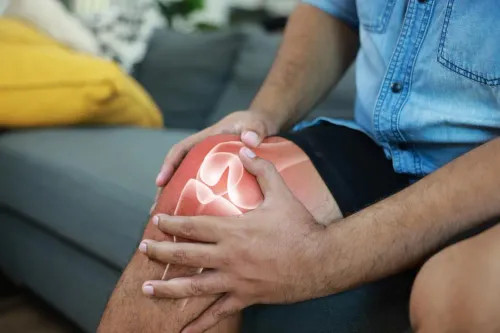



Knee pain is one of the most common orthopedic concerns among adults of all ages. It may begin after a sports injury, a fall, repetitive physical activity, or even without an obvious cause. While occasional discomfort often improves with rest and simple home care, persistent symptoms should not be ignored. When pain starts interfering with walking, climbing stairs, exercising, or everyday activities, a detailed orthopedic evaluation becomes important. For those searching for a Knee Arthroscopy Surgeon in Wadala, understanding when to seek specialist care can help prevent small problems from becoming more serious.
Knee arthroscopy is a minimally invasive procedure used to diagnose and treat a variety of conditions affecting the knee joint. Using a tiny camera inserted through small incisions, an orthopedic surgeon can examine the inside of the knee and perform procedures such as meniscus repair, ligament reconstruction, cartilage treatment, or removal of loose fragments when necessary. However, not every patient with knee pain requires arthroscopy. The first step is always a thorough clinical assessment to determine the underlying cause and identify the most appropriate treatment.
If you have been wondering whether your knee symptoms need professional attention, the following signs can help guide your decision.
1. Your Knee Pain Lasts More Than a Few Weeks
Pain that continues despite adequate rest, ice application, and activity modification deserves further evaluation. Persistent discomfort may indicate cartilage damage, a meniscus tear, ligament injury, or early degenerative changes that require specialist assessment.
2. The Knee Frequently Swells
Swelling after strenuous activity may occasionally occur, but repeated or unexplained swelling can suggest inflammation, internal injury, or fluid accumulation within the joint. Identifying the cause early allows appropriate treatment before symptoms worsen.
3. Your Knee Feels Unstable
A sensation that the knee may buckle or give way while walking or turning often points to ligament injuries such as an ACL or PCL tear. Instability should never be ignored, especially if it affects balance or confidence during movement.
4. You Experience Locking or Catching
If the knee occasionally becomes stuck or difficult to straighten, a torn meniscus or loose cartilage fragment may be interfering with normal joint movement. These mechanical symptoms often require detailed orthopedic evaluation.
5. Climbing Stairs Has Become Painful
Difficulty using stairs may indicate problems involving the kneecap, cartilage, ligaments, or surrounding muscles. Although not every case requires surgery, persistent pain warrants professional assessment.
6. Sports Activities Cause Recurrent Pain
Athletes and fitness enthusiasts often assume recurring discomfort is part of training. However, pain that repeatedly returns during running, jumping, or pivoting may indicate an underlying structural injury that should be investigated.
7. Your Range of Motion Is Limited
If you cannot fully bend or straighten your knee compared to the opposite side, swelling, cartilage damage, scar tissue, or internal injury may be restricting movement.
8. Everyday Activities Are Becoming Difficult
Simple activities such as getting out of a chair, walking short distances, driving, or carrying groceries should not consistently cause knee pain. Difficulty performing routine tasks may signal that further evaluation is needed.
9. Previous Treatment Has Not Helped
If medication, physiotherapy, rest, or supportive braces have not provided lasting improvement, it may be time for a more detailed orthopedic examination. Additional imaging or advanced treatment options may be appropriate depending on the diagnosis.
10. You Heard a Pop During the Injury
Many ligament injuries occur with a sudden popping sensation followed by swelling and instability. Prompt orthopedic consultation can help determine the extent of the injury and whether conservative management or surgery is recommended.
One of the biggest misconceptions about knee arthroscopy is that it is performed for every type of knee pain. In reality, arthroscopy is recommended only when clinical findings and imaging studies indicate that it offers meaningful benefits. Conditions commonly managed arthroscopically include meniscus tears, ligament injuries, cartilage damage, loose bodies within the joint, and selected inflammatory conditions.
Before recommending surgery, an orthopedic specialist usually performs a comprehensive evaluation that includes a detailed medical history, physical examination, and imaging such as X-rays or MRI scans. These assessments help identify the exact cause of symptoms and determine whether non-surgical treatment, arthroscopy, or another procedure is most appropriate.
Recovery after knee arthroscopy depends on the procedure performed. Some patients require only a short period of rehabilitation, while others undergoing ligament reconstruction or cartilage repair follow more structured recovery programs. Physiotherapy remains an essential part of treatment, helping restore mobility, strength, balance, and confidence during movement.
For residents of Wadala and surrounding parts of Mumbai, early evaluation of persistent knee symptoms can reduce the risk of ongoing joint damage. Delaying assessment may allow ligament injuries, cartilage problems, or meniscus tears to progress, potentially affecting long-term knee health.
Dr. Shreya Joshi specializes in orthopedic surgery with expertise in knee arthroscopy, sports injuries, ligament reconstruction, and joint preservation procedures. Patients experiencing persistent knee pain, instability, or sports-related injuries often seek specialist consultation to understand the most appropriate treatment options based on their individual diagnosis. Additional information about orthopedic services and clinical expertise is available through the clinic's website, drshreyajoshi.com.
Persistent knee pain should never be accepted as a normal part of aging or an active lifestyle. Recognizing the warning signs early and seeking timely orthopedic evaluation allows patients to receive an accurate diagnosis and explore evidence-based treatment options that support long-term mobility, joint function, and overall quality of life.