Finding the right orthopedic specialist is an important decision when dealing with joint pain, sports injuries, or mobility problems. Whether the issue involves a knee ligament tear, recurring shoulder dislocation, cartilage damage, or persistent joint pain, choosing a surgeon based only on convenience may not always lead to the most appropriate care. Patients often have questions about qualifications, treatment options, surgical expertise, and rehabilitation before making a decision. For those looking for an Orthopedic Surgeon in Chembur, understanding what to look for can help ensure that treatment is based on accurate diagnosis, evidence-based recommendations, and individual needs.
Orthopedic surgery covers a wide range of conditions involving bones, joints, ligaments, tendons, muscles, and cartilage. Some orthopedic surgeons focus on trauma and fracture management, while others develop specialized expertise in sports injuries, arthroscopy, knee preservation, shoulder surgery, or joint replacement. Choosing a surgeon whose experience aligns with your condition is often one of the most important factors in achieving the best possible outcome.
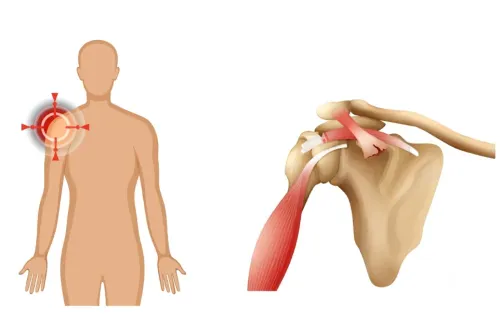
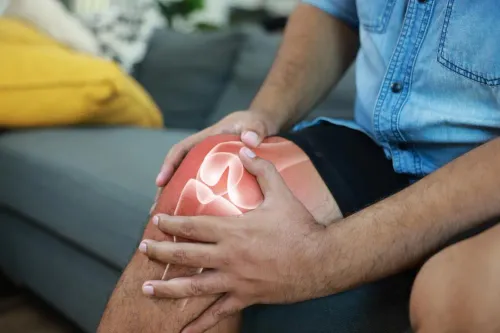
Before selecting an orthopedic surgeon, it is helpful to understand the nature of your symptoms. For example, recurring knee instability after a sports injury may require a different type of expertise than advanced arthritis requiring joint replacement. Similarly, shoulder pain caused by a rotator cuff tear differs significantly from recurrent shoulder dislocation or frozen shoulder. Matching the surgeon's area of specialization with the condition being treated allows for a more focused evaluation and treatment plan.
When evaluating an orthopedic specialist, consider the following factors:
1. Relevant Clinical Experience
Look for a surgeon who regularly manages conditions similar to yours. Experience with sports injuries, arthroscopy, ligament reconstruction, meniscus preservation, shoulder disorders, or knee preservation procedures may be particularly valuable depending on the diagnosis.
2. Comprehensive Evaluation
A good orthopedic consultation should involve much more than reviewing imaging reports. The surgeon should take a detailed medical history, understand how the injury occurred, evaluate physical function, perform a clinical examination, and discuss how symptoms affect daily life before recommending treatment.
3. Individualized Treatment Planning
Every patient is different. Age, occupation, activity level, fitness goals, previous injuries, and overall health all influence treatment decisions. A personalized approach ensures that recommendations are tailored to the patient's specific condition rather than following a standard treatment pathway.
4. Conservative Treatment When Appropriate
One common misconception is that orthopedic surgeons always recommend surgery. In reality, experienced specialists often begin with non-surgical treatment whenever it is likely to provide meaningful improvement. Physiotherapy, medication, lifestyle modification, activity adjustments, and guided rehabilitation may successfully manage many orthopedic conditions without surgery.
5. Expertise in Modern Surgical Techniques
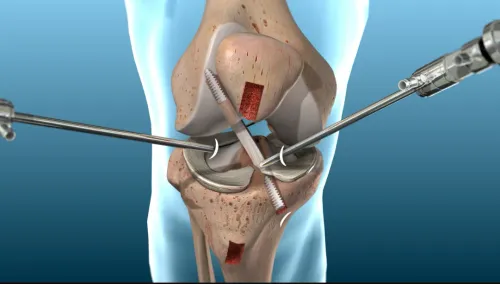
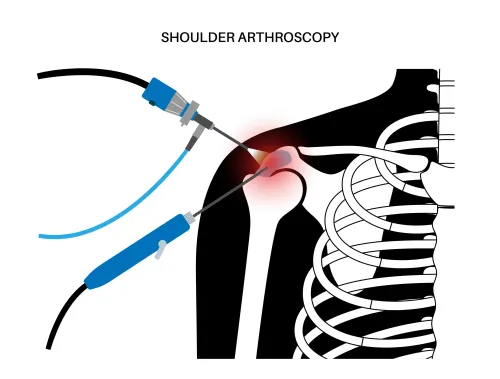
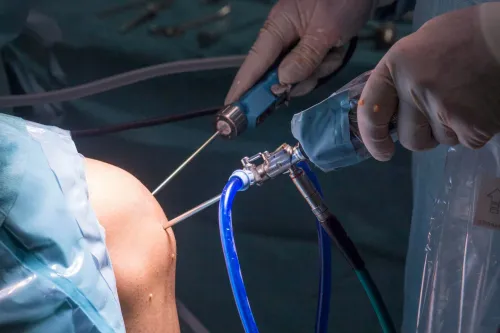
When surgery becomes necessary, minimally invasive procedures such as arthroscopy may be appropriate for selected knee and shoulder conditions. These techniques allow the surgeon to diagnose and treat joint problems using small incisions while preserving surrounding tissues whenever possible.
Patients also benefit from asking practical questions during the consultation, such as:
- What is causing my symptoms?
- Are additional tests required?
- Can the condition improve without surgery?
- What are the expected benefits and risks of treatment?
- How long will rehabilitation take?
- When can I return to work or sports?
- What outcomes can reasonably be expected?
Open communication helps patients understand their condition and participate actively in treatment decisions.
Another important consideration is rehabilitation. Successful orthopedic care does not end with surgery or medication. Physiotherapy and structured rehabilitation are essential for restoring strength, flexibility, coordination, and confidence. Whether the treatment involves ligament reconstruction, meniscus repair, rotator cuff surgery, or joint preservation procedures, following the prescribed rehabilitation program is often a key factor in long-term recovery.
People living in Chembur and surrounding parts of Mumbai lead diverse lifestyles, ranging from office-based professions to physically demanding occupations and competitive sports. Early assessment of joint pain or injuries allows patients to explore conservative treatment options before conditions become more advanced. Delaying consultation may result in additional joint damage, prolonged recovery, or more complex treatment requirements.
Dr. Shreya Joshi specializes in orthopedic surgery with a focus on sports injuries, arthroscopy, knee preservation, shoulder disorders, ligament reconstruction, and minimally invasive orthopedic procedures. Patients seeking evaluation for knee pain, shoulder injuries, sports-related conditions, or joint instability often consult the practice to receive individualized assessment and evidence-based treatment recommendations. Those interested in learning more about available orthopedic services can explore additional information through the clinic's website, drshreyajoshi.com.
Choosing the right orthopedic surgeon involves more than finding someone nearby. Experience, clear communication, accurate diagnosis, personalized treatment planning, and a strong emphasis on rehabilitation all contribute to successful patient care. Whether your goal is returning to sports, remaining active, or simply performing daily activities without pain or instability, selecting a specialist who understands your condition can make a meaningful difference in your recovery journey and long-term joint health.
Keywords