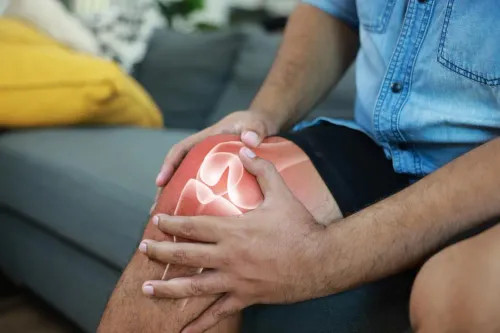

The meniscus plays an important role in knee function by distributing load, supporting joint stability, and helping protect the cartilage covering the bones. When the meniscus tears, treatment depends on the pattern, location, symptoms, tissue quality, and overall condition of the knee.
In suitable cases, meniscus repair surgeries aim to preserve damaged meniscal tissue rather than remove it.
For patients in Parel, understanding the difference between repair and removal can make it easier to have a meaningful discussion about treatment options.
What Is the Meniscus?
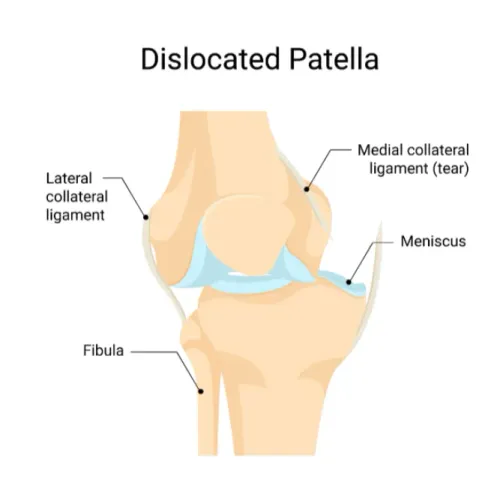
Each knee contains two menisci, one on the inner side and one on the outer side.
These crescent-shaped structures act as load distributors between the thigh bone and shin bone. They also contribute to stability and joint mechanics.
Meniscus injuries commonly occur during twisting movements, sports injuries, deep squatting, or trauma. Degenerative tears may also develop gradually over time.
What Symptoms Can a Meniscus Tear Cause?
Symptoms vary depending on the tear.
Common complaints include:
- Pain along the joint line
- Swelling
- Catching sensations
- Difficulty fully bending the knee
- Locking
- Pain during twisting movements
- Reduced confidence during activity
Importantly, an MRI showing a meniscus tear does not automatically mean surgery is required.
Some tears can be managed conservatively, especially when symptoms are mild and there is no significant mechanical problem.
What Makes a Tear Repairable?
Meniscus repair surgeries are generally considered when the tear has characteristics that offer a reasonable chance of healing.
Factors include:
- Tear location
- Blood supply
- Tear pattern
- Size
- Tissue quality
- Age of the injury
- Patient age
- Activity level
- Associated ligament injuries
Tears closer to the outer edge of the meniscus often have a better blood supply than tears deeper inside the tissue.
This can influence healing potential.
Why Preserve the Meniscus?
Removing damaged meniscal tissue can sometimes relieve mechanical symptoms, but the meniscus also has an important protective function.
Preserving as much healthy meniscus as possible may help maintain better load distribution across the knee.
That is why modern treatment increasingly focuses on repair when the tear pattern and clinical situation make it appropriate.
However, not all tears are repairable. Some damaged tissue may have poor healing potential, while other tears may not need surgery at all.
How Is Meniscus Repair Performed?
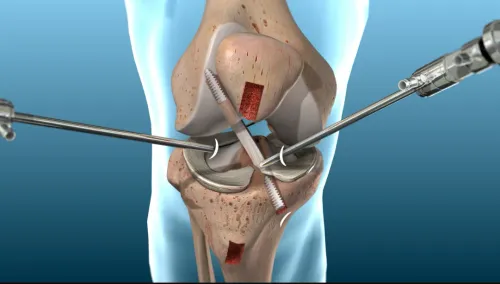
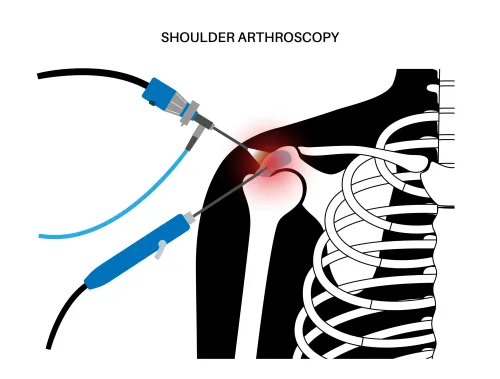
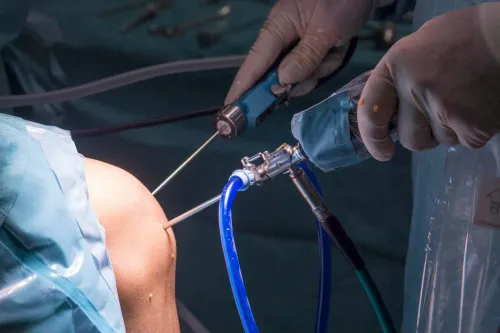
Repair is commonly performed arthroscopically.
A small camera is inserted into the knee through a small incision, allowing the surgeon to inspect the tear. Specialized instruments are then used to secure the damaged tissue using techniques suited to the location and pattern of injury.
The exact method can vary.
In some cases, meniscus repair may be combined with another procedure such as ACL reconstruction if both injuries occurred together.
Is Recovery Different From Meniscus Trimming?
Yes.
A repaired meniscus needs time to heal, so rehabilitation may be more protective than after a limited meniscal trimming procedure.
Depending on the type of repair, temporary restrictions may be placed on weight-bearing, knee bending, or certain activities.
Rehabilitation gradually focuses on:
- Controlling swelling
- Restoring movement
- Rebuilding quadriceps strength
- Improving balance
- Increasing walking tolerance
- Returning to higher-level activity
Following the prescribed rehabilitation plan is essential because the repaired tissue needs appropriate biological healing time.
When Is Surgery Usually Discussed?
Surgery may be considered when symptoms remain significant, the knee locks, the tear is unstable, or the injury is suitable for repair.
Treatment decisions also depend on associated ligament injuries, cartilage condition, and patient goals.
For patients exploring meniscus repair surgeries in Parel, Dr. Shreya Joshi can assess whether the tear is likely to benefit from repair, another arthroscopic approach, or continued conservative management. The goal should be to treat symptoms while preserving useful knee tissue whenever clinically appropriate.
Keywords