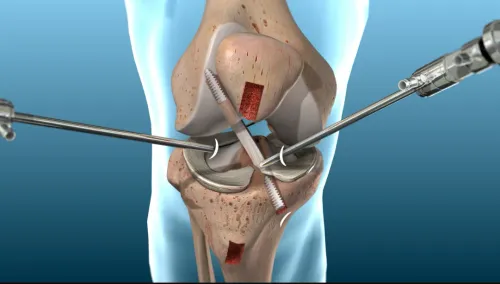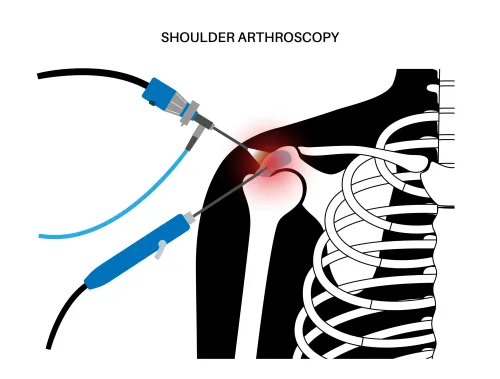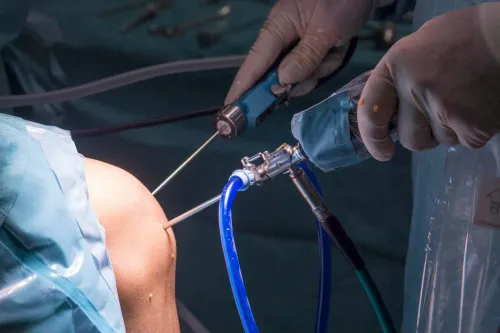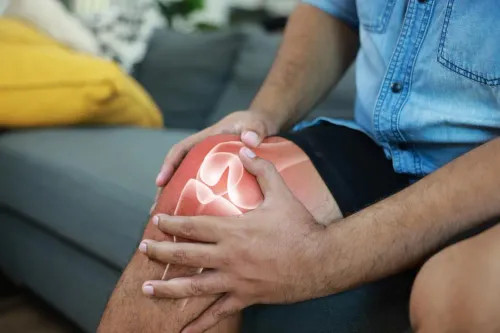
Knee problems do not always mean that joint replacement is the next step. In selected patients, particularly younger or active individuals with localized structural damage, knee preservation surgery may be considered with the aim of maintaining the natural knee for as long as reasonably possible.
Joint preservation is not a single operation. It is an approach that may involve repairing, reconstructing, realigning, or protecting structures that contribute to normal knee function.
For patients in Wadala, understanding this distinction can be useful when exploring treatment for meniscus damage, ligament injuries, cartilage problems, or certain alignment-related conditions.
What Does Knee Preservation Mean?
The knee is a complex joint involving cartilage, menisci, ligaments, bones, muscles, and tendons. Damage to one component can alter how forces move through the joint.
Preservation-focused treatment attempts, where clinically appropriate, to maintain functional tissue and improve joint mechanics rather than replacing the joint.
The exact strategy depends on the underlying problem.
Which Conditions May Be Considered?
A knee preservation approach may be relevant in selected cases involving:
- Repairable meniscus tears
- ACL or other ligament injuries
- Localized cartilage damage
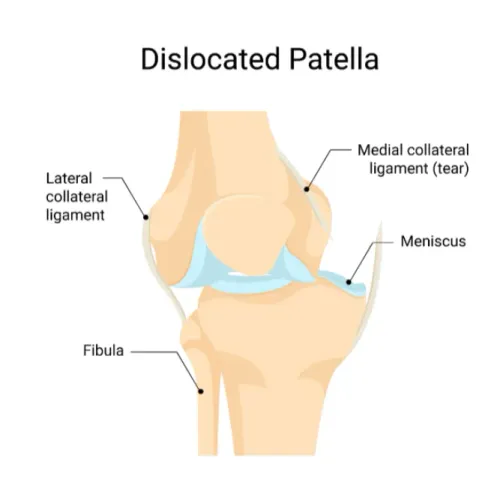
- Patellar instability
- Certain alignment abnormalities
- Early compartment-specific joint damage
- Sports injuries affecting joint stability
Not every patient with these conditions needs surgery. Physiotherapy and other conservative treatments remain important options in many cases.
Why Is the Meniscus Important?
The menisci are specialized structures that help distribute loads across the knee and contribute to stability.
When a meniscus is injured, the treatment decision depends on the tear pattern, location, tissue quality, symptoms, and other patient-specific factors.
When technically possible and clinically appropriate, repairing a suitable meniscus tear can preserve more functional tissue than removing the damaged portion.
However, some tears cannot be repaired, while others may not require surgery at all.
Ligament Stability Can Influence Joint Function
Ligaments such as the ACL help control knee movement during turning, pivoting, landing, and changes of direction.
Some people can manage certain ligament injuries through structured rehabilitation. Others experience repeated giving-way episodes that interfere with sports or everyday activities.
In appropriately selected patients, ligament reconstruction may restore functional stability and become part of a broader knee preservation strategy.
What About Cartilage Damage?
Articular cartilage allows joint surfaces to move smoothly against one another. Cartilage injuries can vary greatly in size, depth, location, and clinical significance.
Treatment may range from rehabilitation and activity modification to selected surgical procedures.
Age, activity level, limb alignment, size of the defect, condition of the remaining joint, and associated ligament or meniscus injuries can all affect treatment planning.
Knee Preservation Is Different From Knee Replacement
The two approaches address different clinical situations.
Knee preservation generally focuses on retaining the patient's existing joint structures where possible. Knee replacement involves resurfacing damaged joint surfaces with artificial components and is commonly considered when joint damage is more extensive and symptoms significantly affect quality of life.
The presence of knee pain alone does not determine which pathway is appropriate.
Who May Be a Candidate?
There is no single profile that automatically qualifies someone for preservation surgery.
Assessment generally considers:
- Age
- Activity level
- Location of joint damage
- Knee alignment
- Ligament stability
- Meniscus condition
- Cartilage health
- Previous treatment
- Functional expectations
Imaging may include weight-bearing X-rays and MRI depending on the suspected condition.
Rehabilitation Still Matters
Preserving the knee surgically does not remove the need for rehabilitation.
After repair or reconstruction, patients may need a structured programme to restore mobility, muscle strength, balance, movement control, and eventually higher-level activities.
Some repairs also require temporary restrictions to protect healing tissue.
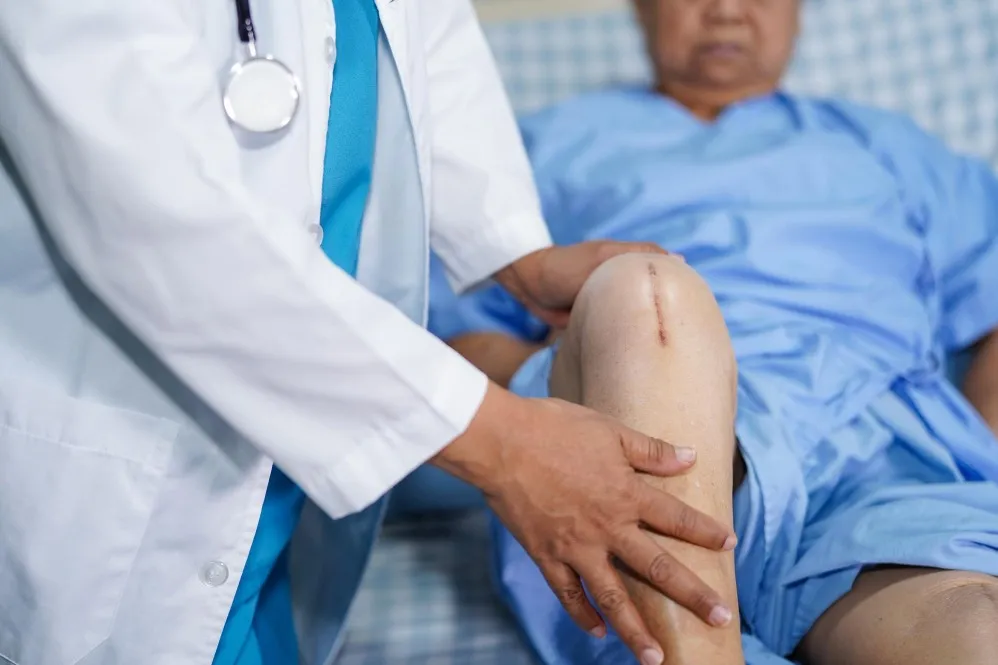
For people exploring knee preservation surgery in Wadala, an individualized orthopedic assessment is essential. The objective is not simply to avoid replacement at any cost, but to determine whether preserving or restoring particular structures is medically appropriate for the condition of the knee.
Keywords