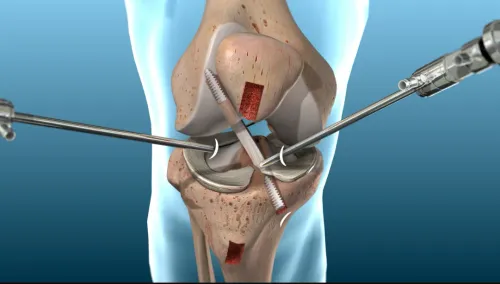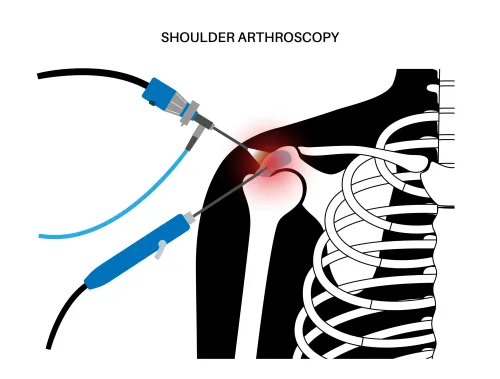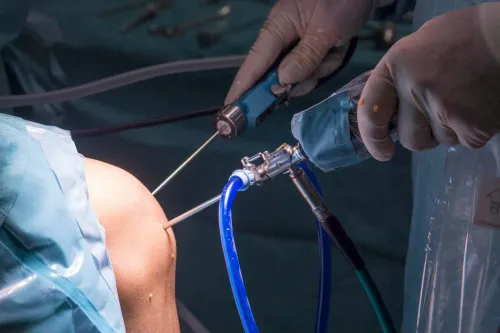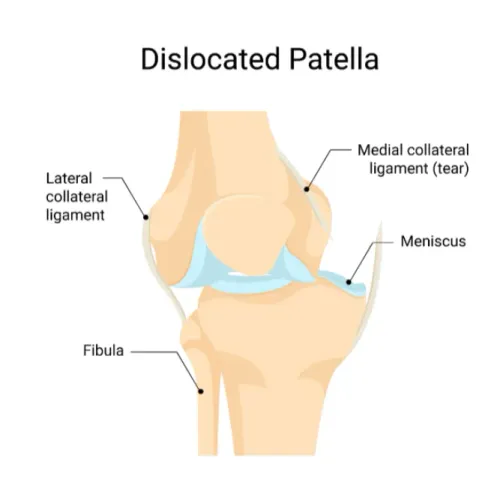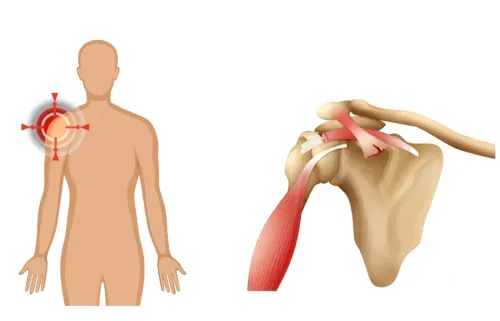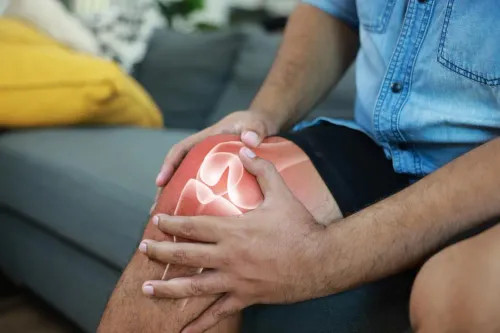
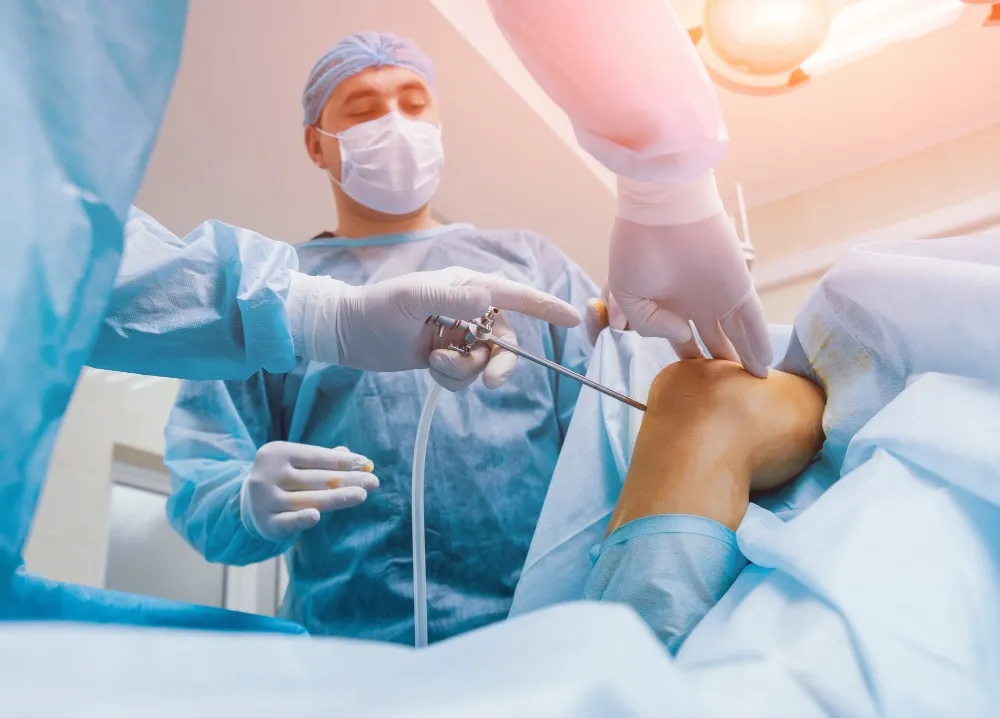
Sports injuries can affect ligaments, cartilage, tendons, meniscus tissue, and other structures around the knee or shoulder. While arthroscopy is widely associated with sports injury treatment, seeing an arthroscopy surgeon does not automatically mean an operation will be recommended.
The first responsibility is to establish an accurate diagnosis and determine whether the injury can recover through non-surgical treatment.
For active individuals and athletes in Chembur, this distinction is important because returning to activity safely requires treatment based on the injured structure rather than symptoms alone.
What Happens During the First Assessment?
The consultation usually starts with the history of the injury.
A surgeon may ask:
- How did the injury happen?
- Was there twisting, impact, falling, or sudden acceleration?
- Was a popping sensation noticed?
- Did swelling appear immediately or gradually?
- Does the joint lock or give way?
- Which activities currently trigger symptoms?
- Has physiotherapy already been attempted?
These details can provide useful clues before imaging is reviewed.
Why Physical Examination Remains Important
MRI scans provide detailed information, but treatment should not be planned from a scan in isolation.
Physical examination helps assess movement, tenderness, stability, muscle function, and specific injury patterns. For knee injuries, ligament stability and meniscus-related signs may be evaluated. Shoulder assessment may include strength, instability, range of movement, and symptoms during particular positions.
The surgeon then compares these findings with imaging.
When Can Non-Surgical Care Be Appropriate?
Many sports injuries improve without surgery.
Depending on the diagnosis, conservative management may include:
- Temporary activity modification
- Physiotherapy
- Strengthening
- Mobility exercises
- Bracing when indicated
- Gradual return-to-sport programmes
A mild ligament injury, for example, may have a very different treatment pathway from a complete ligament rupture causing repeated instability.
Likewise, not every meniscus abnormality seen on MRI requires arthroscopic surgery.
When Does Arthroscopy Become Relevant?
Arthroscopy may be considered when structural damage causes persistent symptoms or functional problems that are unlikely to improve sufficiently with conservative treatment.
Examples can include selected:
- Meniscus tears
- Ligament injuries requiring reconstruction
- Labral injuries
- Recurrent shoulder instability
- Rotator cuff problems
- Cartilage injuries
- Loose bodies inside a joint
The procedure selected should correspond to the diagnosed injury.
Why Tissue Preservation Matters
Modern orthopedic decision-making increasingly considers long-term joint health.
Removing damaged tissue may sometimes relieve mechanical symptoms, but preserving repairable structures can be valuable when clinically possible. Meniscus preservation is one example because the meniscus plays an important role in distributing forces across the knee.
Similarly, restoring joint stability after certain ligament injuries may help patients regain functional movement and participate safely in demanding activities.
An arthroscopy surgeon should therefore consider whether repair, reconstruction, rehabilitation, or another strategy offers the most appropriate balance between short-term recovery and long-term joint function.
Questions Worth Asking Before Surgery
Patients can make consultations more productive by asking:
- What exactly is injured?
- Can it heal without surgery?
- What procedure is being considered?
- Is tissue being repaired, reconstructed, or removed?
- What happens if surgery is postponed?
- How long is rehabilitation likely to take?
- When might driving, work, or sports resume?
- What are the possible risks and limitations?
Clear answers help patients understand the reasoning behind the treatment plan.
For people dealing with sports-related knee or shoulder injuries in Chembur, Dr. Shreya Joshi provides orthopedic assessment with attention to joint function, injury pattern, imaging findings, and individual activity requirements. The goal of an arthroscopy consultation is not simply to decide how to operate, but to determine whether surgery is actually the appropriate next step.
Keywords