

Joint pain and sports-related injuries can make even simple movements uncomfortable. Whether it is persistent knee pain after a football match, recurring shoulder discomfort from gym workouts, or a ligament injury that limits daily activities, finding the right diagnosis and treatment is essential. Advances in orthopedic care have made it possible to treat many joint conditions using minimally invasive techniques, allowing patients to recover with less disruption to their routine. For people searching for an experienced Arthroscopy Surgeon in Dadar, understanding how arthroscopy works can help them make informed healthcare decisions.
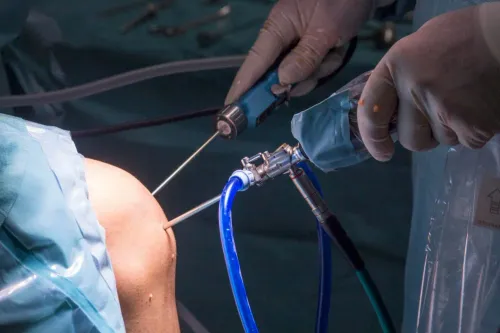
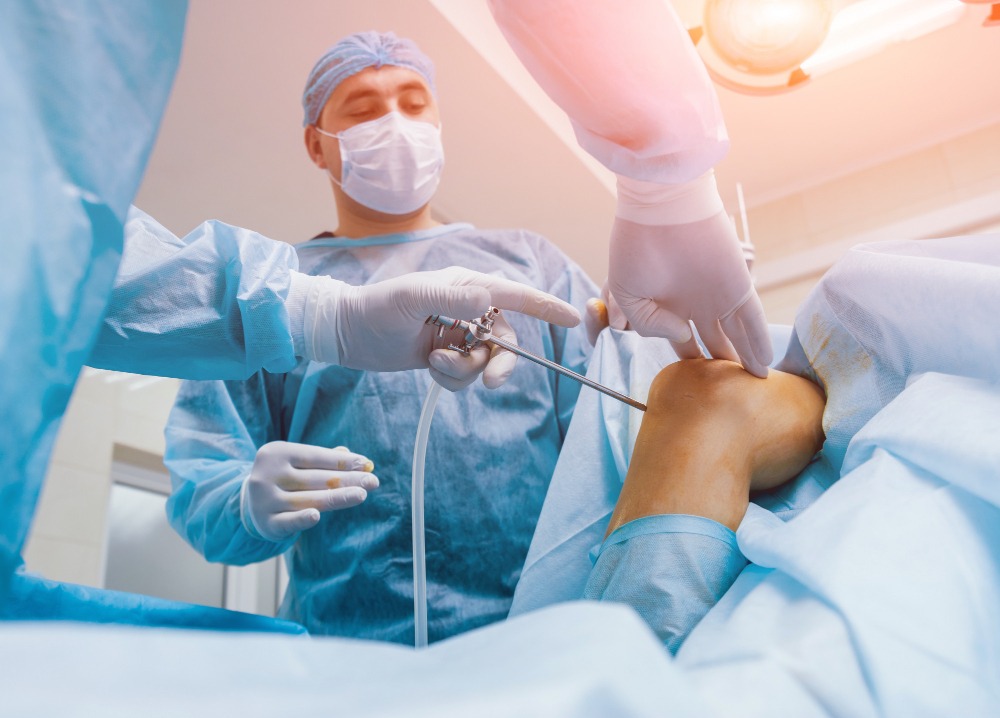
Arthroscopy is a specialized surgical procedure that enables an orthopedic surgeon to diagnose and treat problems inside a joint using a small camera called an arthroscope. Instead of making a large incision, the surgeon creates tiny openings through which the camera and surgical instruments are inserted. The live images displayed on a monitor allow precise evaluation of damaged cartilage, ligaments, tendons, and other joint structures. Because the procedure involves smaller incisions than traditional open surgery, it generally causes less tissue disruption and may contribute to a smoother recovery, depending on the patient's condition and overall health.
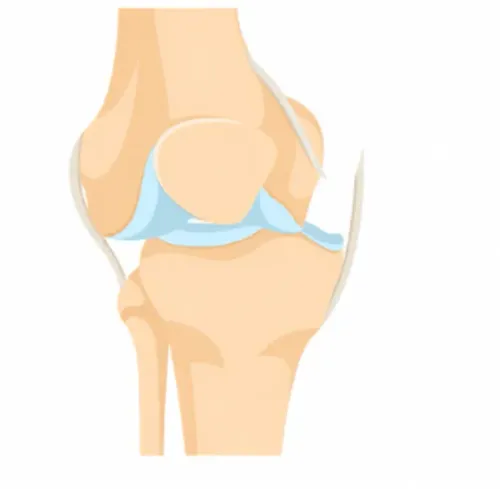
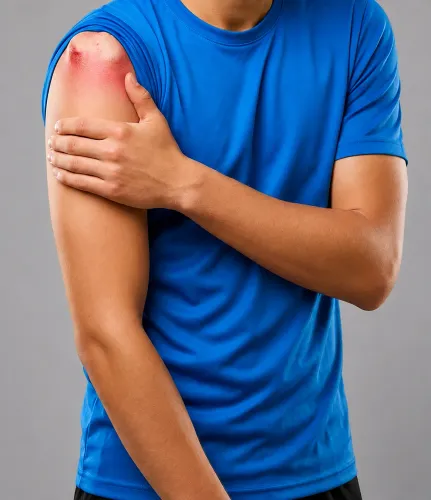
The procedure is commonly performed on joints such as the knee, shoulder, ankle, hip, wrist, and elbow. Knee and shoulder arthroscopy are among the most frequently recommended procedures for active individuals and athletes who sustain sports injuries. However, arthroscopy is not limited to athletes. Office workers, older adults, and people involved in physically demanding occupations may also benefit when conservative treatments such as medication, physiotherapy, or activity modification do not provide sufficient relief.
Some of the conditions that may be treated through arthroscopy include:
- Meniscus tears
- Anterior Cruciate Ligament (ACL) injuries
- Posterior Cruciate Ligament (PCL) injuries
- Rotator cuff tears
- Shoulder impingement
- Recurrent shoulder dislocation
- Loose cartilage fragments
- Inflamed joint lining
- Cartilage damage caused by injury
Not every joint problem requires surgery. An orthopedic specialist usually begins with a detailed medical history, physical examination, and imaging studies such as X-rays or MRI scans. These assessments help determine whether non-surgical treatment is appropriate or whether arthroscopy offers the most suitable option. Individualized evaluation remains one of the most important aspects of orthopedic care because every patient's injury pattern, activity level, and treatment goals are different.
Many people hesitate when surgery is mentioned because they assume recovery will be lengthy. While every case differs, arthroscopy is often associated with shorter hospital stays and earlier rehabilitation compared to many traditional open procedures. Smaller incisions may reduce postoperative discomfort and scarring, although recovery timelines still depend on factors such as the severity of the injury, the specific procedure performed, and adherence to rehabilitation protocols.
Following arthroscopic surgery, rehabilitation plays a significant role in achieving the best possible outcome. Physiotherapy helps restore joint movement, improve muscle strength, and gradually return patients to daily activities or sports. Skipping rehabilitation exercises or returning to strenuous activity too early may affect recovery. Close follow-up with the treating orthopedic surgeon and physiotherapist helps ensure that healing progresses as expected.
For residents of Dadar and surrounding areas of Mumbai, access to specialized orthopedic care allows timely assessment of joint injuries before they become more complicated. Delaying evaluation after persistent swelling, repeated instability, or restricted movement may increase the risk of additional joint damage. Early diagnosis often provides more treatment options and supports better long-term joint function.
Another important benefit of arthroscopy is its role in diagnosis. In certain situations, imaging studies alone may not clearly identify the exact source of joint pain. Arthroscopy allows the surgeon to directly visualize structures inside the joint, making it possible to diagnose and treat specific problems during the same procedure when appropriate. This combination of diagnostic accuracy and treatment capability has made arthroscopy an important advancement in modern orthopedic surgery.
Dr. Shreya Joshi, who practices in Mumbai, focuses on sports injuries, arthroscopy, and joint preservation procedures. Patients from Dadar and nearby localities often seek specialist evaluation for knee injuries, shoulder problems, ligament tears, and other conditions that may require advanced orthopedic management. Additional information about the practice, treatment approach, and orthopedic services is available on the clinic's website, drshreyajoshi.com, where patients can learn more before scheduling a consultation.
Persistent joint pain should never be ignored simply because it comes and goes. If symptoms continue despite rest, interfere with work, sports, or everyday activities, or are accompanied by instability or repeated swelling, consulting an orthopedic specialist can help identify the underlying cause. Understanding the role of arthroscopy empowers patients to explore evidence-based treatment options that support long-term joint health, mobility, and an active lifestyle.