


A sudden twist while playing football, an awkward landing during a workout, or a road traffic accident can lead to a serious knee injury within seconds. Many people initially believe the pain will improve with rest, only to discover that the knee continues to feel unstable weeks later. When this happens, damage to one of the knee's major ligaments may be the underlying cause. Understanding Ligament Reconstruction ACL/PCL Surgeries helps patients know when specialist evaluation becomes important and what treatment options may be available.
The knee is one of the body's largest and most complex joints. It depends on four primary ligaments to maintain stability during walking, running, jumping, and changing direction. Among these, the Anterior Cruciate Ligament (ACL) and Posterior Cruciate Ligament (PCL) play particularly important roles in controlling knee movement.
The ACL prevents the shinbone from moving excessively forward, while the PCL helps prevent it from moving backward. Together, these ligaments keep the knee stable during both everyday activities and sports that involve rapid movements.
ACL injuries are commonly seen in sports such as football, basketball, badminton, tennis, and cricket. They often occur during sudden pivots, awkward landings, or rapid changes in direction without direct contact. PCL injuries, on the other hand, are more frequently associated with high-impact trauma, including road accidents or significant falls.
Some common symptoms of ligament injuries include:
- A popping sensation at the time of injury
- Immediate swelling around the knee
- Difficulty bearing weight
- Repeated episodes of the knee giving way
- Pain during twisting movements
- Reduced confidence while walking or running
- Difficulty returning to sports
Not every ligament injury requires surgery. Partial tears, lower activity levels, and certain isolated injuries may respond well to structured physiotherapy, muscle strengthening, and activity modification. The decision depends on several factors, including the severity of the tear, associated injuries, age, occupation, activity level, and long-term functional goals.
During an orthopedic consultation, the specialist usually performs a detailed clinical examination followed by imaging studies such as MRI scans and X-rays. These investigations help determine whether the ligament is completely torn, whether other structures such as the meniscus or cartilage are involved, and whether reconstruction offers the best chance of restoring knee stability.
Ligament reconstruction differs from ligament repair. When reconstruction is recommended, the damaged ligament is replaced using a graft rather than stitched back together. The graft may come from the patient's own tissue or, in selected situations, from donor tissue. The choice depends on multiple clinical factors and is discussed individually with each patient.
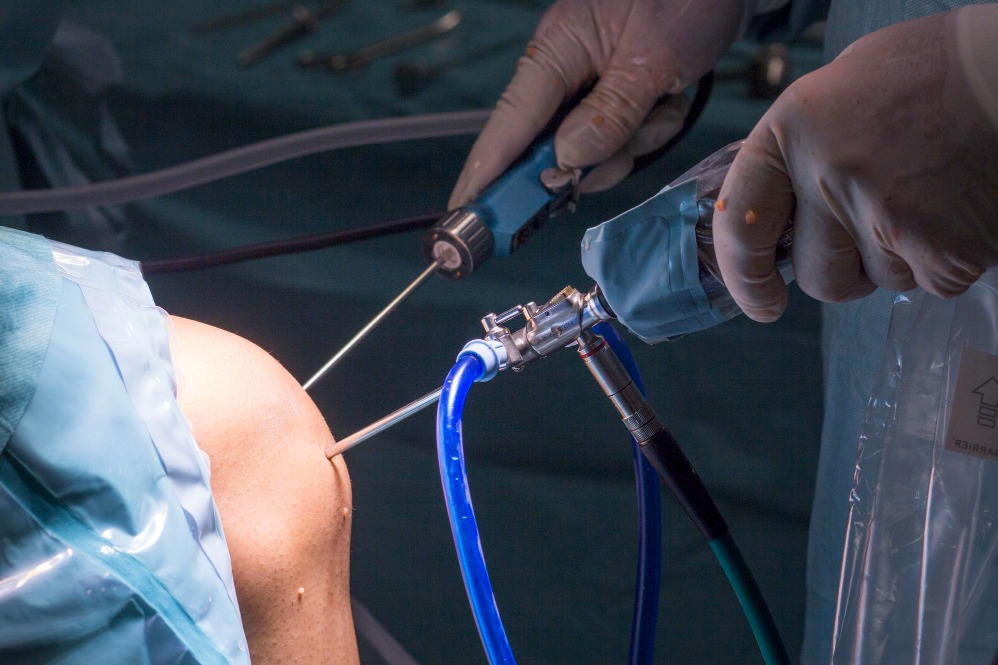
Modern ACL and PCL reconstruction procedures are commonly performed using arthroscopic techniques. Arthroscopy allows the surgeon to operate through small incisions using a specialized camera and instruments. Compared to traditional open procedures, arthroscopic surgery generally results in less disruption to surrounding tissues while providing excellent visualization of the joint.
Patients often ask what recovery looks like after ligament reconstruction. Recovery is gradual and requires commitment to rehabilitation rather than relying on surgery alone. A structured physiotherapy program focuses on restoring:
- Knee range of motion.
- Muscle strength.
- Joint stability.
- Balance and coordination.
- Sport-specific movement when appropriate.
The duration of rehabilitation varies according to the injury, associated procedures, and the patient's goals. Athletes usually follow carefully monitored return-to-sport protocols, while individuals with routine daily activity requirements may recover on a different timeline.
Ignoring a torn ligament can sometimes lead to ongoing instability. Repeated episodes of the knee giving way may increase stress on the cartilage and meniscus, potentially contributing to additional joint damage over time. Early orthopedic assessment helps identify the extent of the injury and provides an opportunity to discuss both surgical and non-surgical treatment options before complications develop.
People living in Dadar and surrounding areas of Mumbai often maintain active lifestyles that include recreational sports, fitness programs, and physically demanding occupations. Persistent knee instability should not be dismissed simply because swelling has reduced. If the knee repeatedly feels unstable during walking, climbing stairs, or sports activities, specialist evaluation is advisable to determine the underlying cause.
Dr. Shreya Joshi specializes in orthopedic surgery with a focus on sports injuries, arthroscopy, ligament reconstruction, and joint preservation. Patients experiencing ACL or PCL injuries often seek comprehensive evaluation to understand whether reconstruction or conservative management is more appropriate for their specific condition. Information about available orthopedic services and treatment approaches can be explored through the clinic's website, drshreyajoshi.com.
Every ligament injury is unique, and there is no single treatment that suits everyone. The right approach depends on accurate diagnosis, individual activity levels, and long-term functional expectations. Whether the goal is returning to competitive sports, maintaining an active lifestyle, or simply walking without instability, timely evaluation by an experienced orthopedic specialist can help patients make informed decisions and work toward restoring knee function with confidence.


