


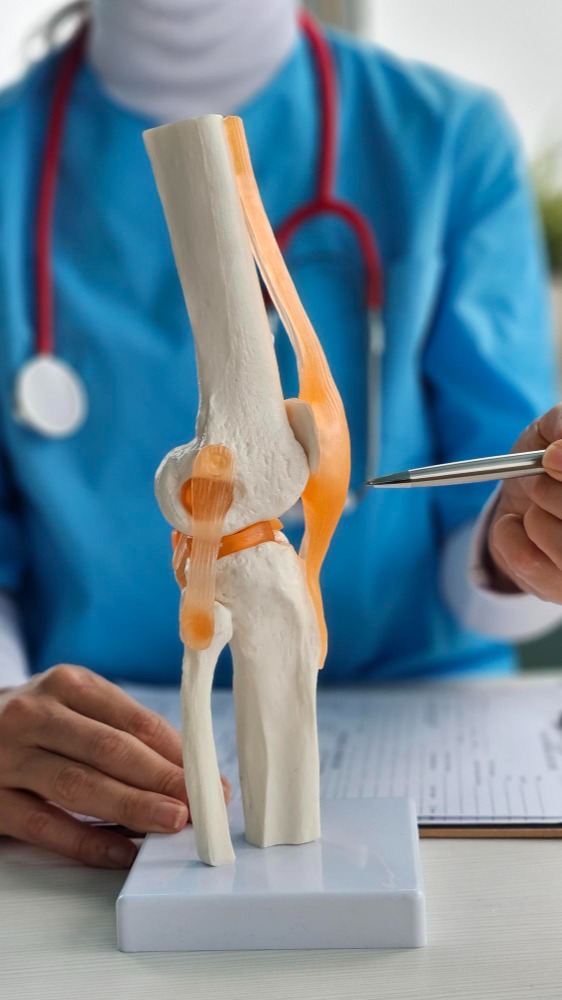
Persistent knee pain can affect every aspect of daily life, from climbing stairs and walking comfortably to participating in sports or recreational activities. While many people immediately associate severe knee problems with joint replacement surgery, that is not always the most suitable solution. In many cases, especially among younger and active individuals, Knee Preservation Surgery focuses on protecting and restoring the natural knee joint instead of replacing it. For residents of Wadala and nearby areas of Mumbai, understanding the purpose of knee preservation can help them explore treatment options that support long-term joint health.
Knee preservation surgery is a group of specialized orthopedic procedures designed to delay or prevent the need for total knee replacement whenever possible. Rather than replacing the damaged joint, these procedures aim to repair injured tissues, restore stability, improve alignment, and preserve healthy cartilage. The approach is particularly valuable for patients who have localized knee damage but still retain a significant amount of healthy joint structure.
The primary goal is to maintain the body's natural biomechanics for as long as possible. A healthy knee allows smooth movement because the bones, cartilage, ligaments, menisci, and surrounding muscles work together efficiently. When one of these structures becomes damaged through injury or gradual wear, restoring normal function may help reduce pain and improve mobility without removing the entire joint.
Several conditions may make knee preservation procedures appropriate, including:
- Early cartilage damage
- Meniscus tears that can be repaired
- Ligament injuries such as ACL or PCL tears
- Knee instability after sports injuries
- Localized arthritis affecting one part of the knee
- Malalignment causing uneven joint loading
- Recurrent knee pain in active adults
Not every patient with knee pain requires surgery. Orthopedic specialists usually begin by evaluating symptoms, physical examination findings, X-rays, MRI scans, activity level, age, and overall joint condition. Many patients benefit from physiotherapy, weight management, medications, bracing, or activity modification before surgical treatment is considered. Knee preservation procedures are recommended only when they are expected to provide meaningful functional improvement based on individual clinical findings.
One of the major advantages of knee preservation is that it focuses on treating the underlying cause instead of simply addressing symptoms. For example, a torn meniscus may be repaired rather than removed whenever possible because preserving this important cushioning structure helps protect the joint over time. Similarly, ligament reconstruction can restore stability, reducing abnormal movement that may otherwise contribute to cartilage damage.
Active individuals often benefit from this approach because maintaining the natural knee may allow them to continue participating in sports, fitness activities, and physically demanding occupations after appropriate rehabilitation. Younger patients are generally considered strong candidates for preservation strategies since replacing the knee joint at an early age may increase the likelihood of requiring revision surgery later in life.
Recovery after knee preservation surgery varies depending on the specific procedure performed. Some patients may begin gentle movement shortly after surgery, while others require a period of protected weight-bearing. Rehabilitation remains an essential part of treatment and often includes:
- Controlled pain and swelling management.
- Gradual improvement of knee range of motion.
- Muscle strengthening exercises.
- Balance and stability training.
- Functional rehabilitation tailored to daily activities or sports.
Following the rehabilitation plan carefully is just as important as the surgical procedure itself. Returning to strenuous activities too early can interfere with healing and delay recovery. Patients who actively participate in physiotherapy often achieve better functional outcomes over time.
People frequently ask how to know when persistent knee pain requires specialist evaluation. While temporary soreness after physical activity is common, certain symptoms should not be ignored. These include repeated knee swelling, locking of the joint, giving-way episodes, inability to fully bend or straighten the knee, pain lasting several weeks despite rest, or discomfort that limits work, exercise, or routine activities. Seeking early orthopedic assessment allows appropriate treatment before the condition progresses further.
For residents of Wadala and surrounding parts of Mumbai, access to specialized orthopedic care means that advanced knee-preserving techniques are available closer to home. Early diagnosis plays an important role because many preservation procedures are most effective before extensive joint degeneration develops. Delaying evaluation may reduce the number of treatment options available in the future.
Dr. Shreya Joshi specializes in orthopedic surgery with particular expertise in sports injuries, arthroscopy, and knee preservation procedures. Patients experiencing persistent knee pain, ligament injuries, cartilage damage, or joint instability often seek a comprehensive evaluation to understand whether preserving the natural knee is a suitable option for their condition. Additional information about available orthopedic services and treatment approaches can be found through the practice's website, drshreyajoshi.com.
Protecting the natural knee whenever clinically appropriate has become an important focus in modern orthopedic care. Knee preservation surgery offers carefully selected patients the opportunity to restore function, reduce pain, and maintain an active lifestyle while preserving their own joint. Consulting an experienced orthopedic specialist at the right time can help determine the most appropriate treatment pathway based on the individual's symptoms, goals, and long-term joint health.


